Reimagining Library Spaces As Dynamic Collaborative Innovation Hubs
The traditional role of libraries as a quiet place for solitary study has evolved into dynamic spaces for collaboration and innovation. Gone are the days of strict rules, shushing librarians, and rows of bookshelves. Today’s libraries are embracing technology, community engagement, and creative design to transform themselves into dynamic collaborative innovation hubs. With the rise of the digital age and the increasing demand for interactive and experiential learning, libraries are reimagining their physical spaces to meet the evolving needs of their patrons. In this article, we will explore the concept of reimagining library spaces as dynamic collaborative innovation hubs, and how this transformation is benefiting both the libraries and the communities they serve.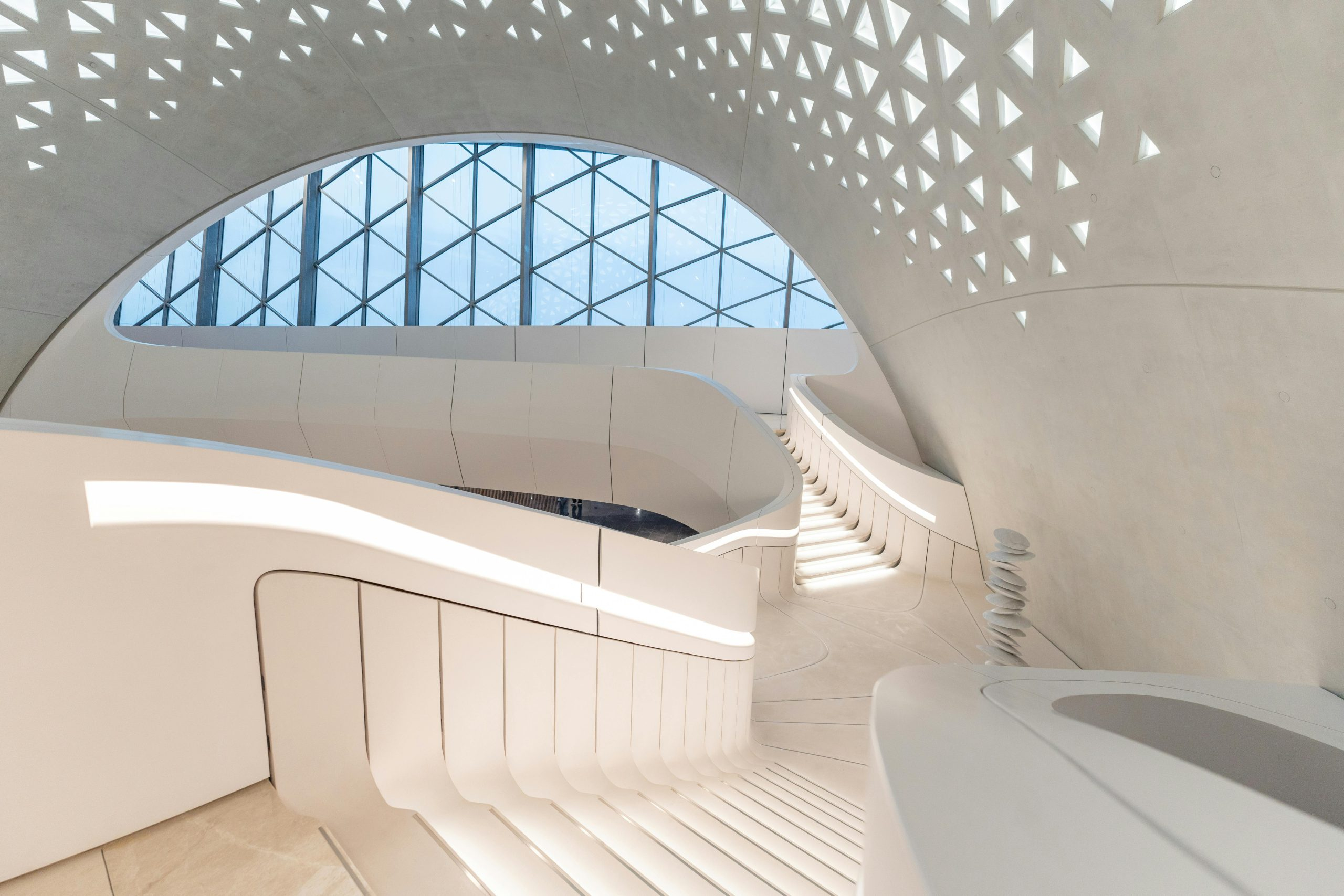
The Evolution of Library Spaces
The traditional library layout was designed with the primary purpose of housing and organizing books, with silent study areas scattered throughout. However, as technology advanced and the internet became a primary source of information, the role of libraries shifted. Today, with most information readily accessible online, the physical space of a library is no longer just a storage unit for books. Libraries must adapt and evolve to remain relevant and continue to serve as educational, cultural, and social hubs for their communities.
The concept of reimagining library spaces as dynamic collaborative innovation hubs is not a new one. In the 1990s, the “third place” movement gained popularity, emphasizing the importance of places outside of home and work that foster social interactions and community building. This idea has been embraced by libraries, and they are now seen as a “third place” for individuals to gather, learn, and connect.
Benefits of Reimagining Library Spaces
Promoting Creativity and Innovation
By transforming their physical spaces, libraries are encouraging creativity and innovation. The traditional library layout can be intimidating and overwhelming for some, limiting their ability to think outside the box. The new, more open and interactive library spaces promote a sense of curiosity and inspire patrons to explore new ideas and collaborate with others. Libraries are now equipped with maker spaces, digital media labs, and other resources that foster innovation and creativity.
Supporting Collaboration and Community Engagement
The redesigned library spaces have also become a hub for collaboration and community engagement. With designated areas for group work and interactive learning, libraries are no longer just a place for solitary studying, but a place for individuals to work together and learn from each other. Many libraries also host workshops, events, and programs that bring the community together, strengthening relationships and promoting a sense of belonging.
Enhancing Access to Information and Technology
Libraries have always been known as a place to access information, but with the advancements in technology, they have expanded their services. The new physical spaces of libraries often include state-of-the-art technology, giving patrons access to tools and resources they may not have at home. This democratizes access to information and technology, providing equal opportunities for all members of the community.
Examples of Reimagined Library Spaces
The Calgary Central Library, Canada
The Calgary Central Library is a prime example of a library embracing the concept of dynamic collaborative innovation hubs. The 240,000 square foot building is not only an architectural marvel, but it also boasts spaces for collaboration, group work, and creative expression. The facility also features a music recording studio, a digital media center, and a 3D printing lab, making it a hub for creativity, innovation, and community engagement.
The Obecni Dum Library, Czech Republic
The Obecni Dum Library in Prague has also embraced the transformation of library spaces. It has an open plan design that encourages group work and collaboration, and its sleek, modern interior makes it an inviting and inspiring space for patrons. The library offers co-working spaces, events and workshops, and even has a rooftop terrace that provides a stunning view of the city.
Conclusion
The transformation of library spaces into dynamic collaborative innovation hubs has been met with great success. Libraries are no longer just a place to borrow books, but they are evolving into community hubs that support creativity, collaboration, and community engagement. By adapting to the changing needs and demands of their patrons, libraries are proving to be a valuable and relevant resource in the digital age. As technology and society continue to evolve, so will libraries, and we can expect to see even more exciting and innovative changes in the future.