Strengthening Parent Teacher Communication For Better Student Outcomes
In today’s education system, communication between parents and teachers plays a crucial role in shaping a child’s academic success. Effective collaboration between parents and teachers can significantly impact a student’s learning outcomes, leading to a better overall learning experience. As educators and caregivers, it is our shared responsibility to establish and maintain a strong parent-teacher communication channel for the benefit of our students. In this article, we will discuss the importance of strengthening parent teacher communication and provide some useful tips to enhance this vital relationship for better student outcomes.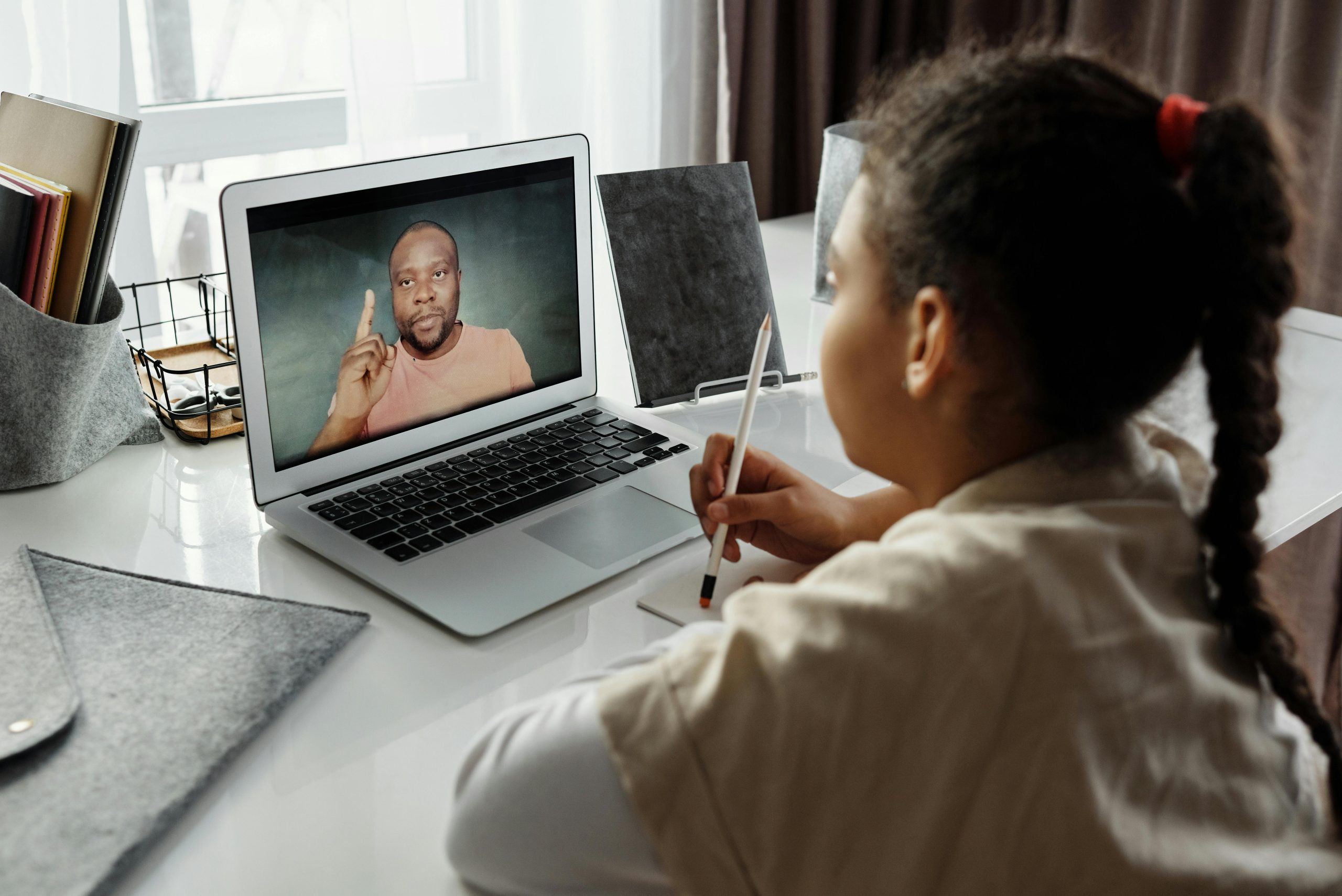
The Importance of Strengthening Parent-Teacher Communication
Effective parent-teacher communication is essential for the holistic development of a child. A strong relationship between parents and teachers creates a positive and supportive learning environment for the student. It allows parents to be more involved in their child’s education, leading to increased academic success, improved behavior, and overall positive well-being. On the other hand, teachers gain a better understanding of their students’ needs and can tailor their teaching methods accordingly. Thus, strong parent-teacher communication can significantly contribute to better student outcomes.
Tips for Strengthening Parent-Teacher Communication
1. Establish Open and Honest Communication:
The first step in strengthening parent-teacher communication is to establish an environment of trust and transparency. Both parties should be able to communicate their thoughts and concerns openly and honestly. Teachers should keep parents informed about their child’s progress and any academic or behavioral difficulties. Similarly, parents should feel comfortable approaching teachers to discuss any concerns regarding their child’s learning and development.
2. Use Different Modes of Communication:
Gone are the days when parent-teacher communication was limited to parent-teacher meetings or notes in the student’s diary. With the advancement of technology, there are now various modes of communication that can be utilized to bridge the gap between parents and teachers. These include phone calls, emails, messaging apps, and online parent portals. Teachers can use these mediums to provide regular updates about the student, share important information, and address any concerns or queries raised by parents.
3. Schedule Regular Meetings:
While using various modes of communication is beneficial, nothing beats a face-to-face meeting between a parent and teacher. Regular parent-teacher conferences should be scheduled to discuss the child’s progress in detail. These meetings provide an opportunity for teachers to give personalized feedback and for parents to share their insights about their child’s learning process. It also allows for setting academic and behavioral goals for the student and working together to achieve them.
4. Involve Parents in the Learning Process:
Involving parents in their child’s learning process is an effective way to strengthen parent-teacher communication. Teachers can share information and resources with parents, such as study materials or educational websites that can be used at home to reinforce classroom learning. This not only encourages parents to be more involved in their child’s education but also helps them understand what is being taught in the classroom.
5. Recognize the Importance of Positive Reinforcement:
In addition to discussing challenges or concerns, it is crucial to recognize and appreciate the child’s efforts and progress in their academic and personal development. Parents should be informed about their child’s accomplishments in school, be it scoring well on a test, good behavior, or participation in extracurricular activities. This positive reinforcement not only boosts the child’s self-esteem but also strengthens the parent-teacher relationship.
Conclusion
In conclusion, effective parent-teacher communication is the cornerstone of a child’s academic success. It requires collaboration, transparency, and open-mindedness from both parties. As educators and caregivers, we must recognize the significance of a strong parent-teacher relationship and take necessary steps to strengthen it for better student outcomes. By establishing open and honest communication, using various modes of communication, scheduling regular meetings, involving parents in the learning process, and recognizing positive reinforcement, we can build a strong parent-teacher partnership that will benefit our students in the long run.