
How To Calculate Potential Return On Investment For Rentals

Rental properties can be a lucrative investment, offering a steady stream of passive income. However, before making any investment, it is crucial to calculate the potential return on investment (ROI) to determine if it is a good investment opportunity.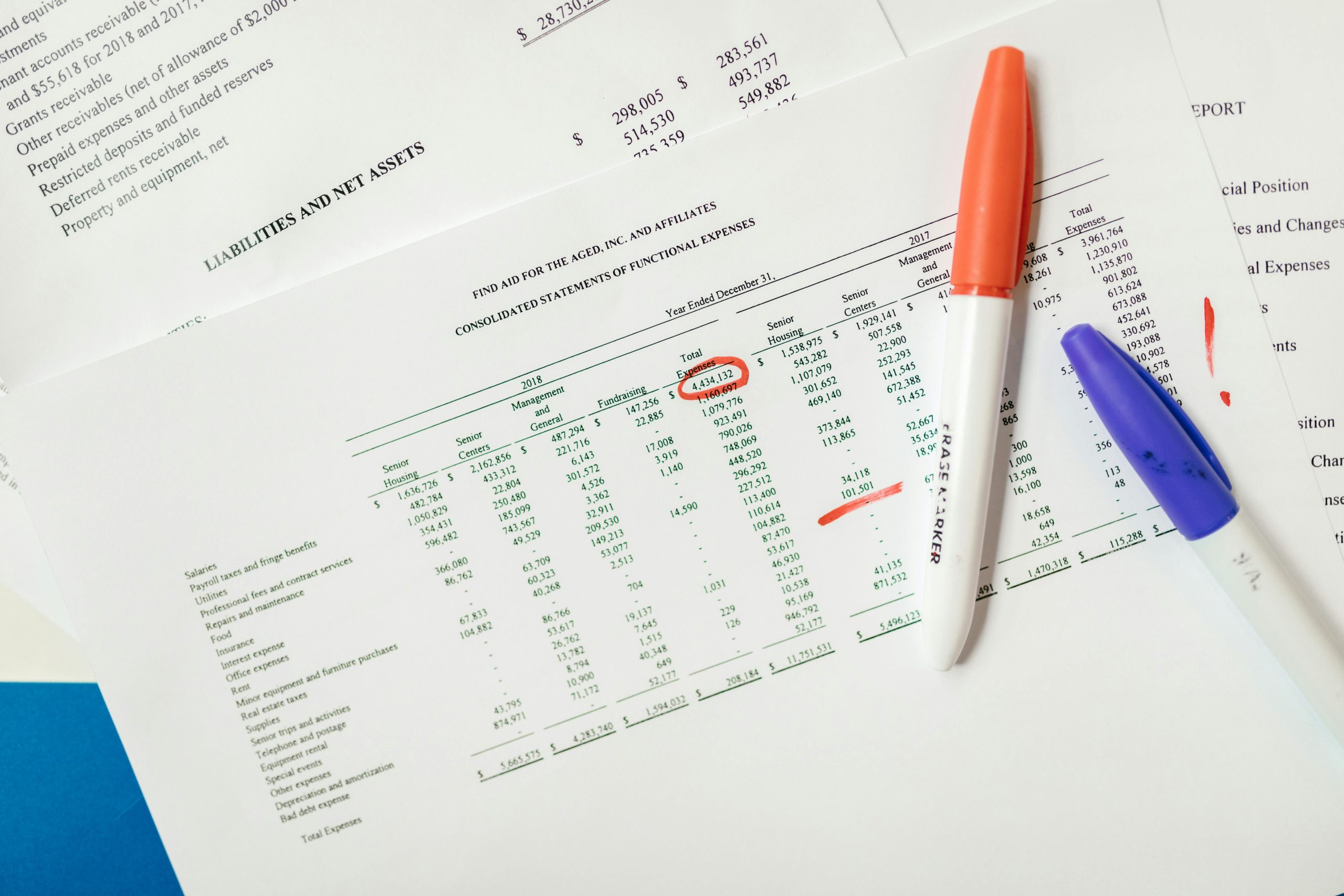
What is ROI?
ROI, or return on investment, is a financial metric used to measure the profitability of an investment. It is expressed as a percentage and reflects the ratio of the net profit to the cost of investment. In other words, ROI tells you how much money you can expect to make from an investment. A higher ROI indicates a more profitable investment opportunity.
Why is ROI important for rental properties?
Calculating the potential ROI for rental properties is crucial for various reasons. Firstly, it can help you determine if a property is a good investment opportunity. Secondly, it can help you make informed decisions by comparing the ROI of different properties. Lastly, it can give you a realistic idea of the financial viability of your investment, helping you plan your finances accordingly.
How to calculate potential ROI for rental properties?
Step 1: Determine the Annual Rental Income
The first step in calculating the potential ROI for rental properties is to determine the annual rental income. This is the total amount of income you can expect to receive from your rental property in a year. To do this, you need to consider various factors such as the rental rates in the area, the size of the property, and the occupancy rate.
Step 2: Calculate the Annual Expenses
Next, you need to calculate the annual expenses associated with the rental property. This includes mortgage payments, property taxes, insurance, maintenance costs, and any other recurring expenses. It is essential to be thorough and consider all possible expenses to get an accurate estimation.
Step 3: Subtract the Annual Expenses from the Annual Rental Income
Once you have determined both the annual rental income and expenses, you can calculate the net operating income (NOI). Simply subtract the annual expenses from the annual rental income, and you will have the NOI. This represents the actual income you will receive from the rental property.
Step 4: Calculate the ROI
To calculate the potential ROI, divide the NOI by the total investment cost, which includes the down payment, closing costs, and any other expenses. Then, multiply the result by 100 to get the ROI percentage. The higher the percentage, the better the investment opportunity.
Other factors to consider for accurate ROI calculation
While the above steps can give you an estimation of the potential ROI for a rental property, there are a few other factors to consider for a more accurate calculation.
Occupancy Rate
The occupancy rate is the percentage of time your rental property is occupied by tenants. To calculate the occupancy rate, divide the number of days the property was occupied by the total number of days in a year. A higher occupancy rate can significantly impact the potential ROI.
Cash Flow
Cash flow refers to the amount of money you have left after deducting all expenses from the rental income. A positive cash flow indicates that the property is generating a profit, while a negative cash flow means you are losing money. It is essential to have a positive cash flow to ensure a profitable investment.
Appreciation
Appreciation refers to the increase in property value over time. While it is challenging to predict future appreciation, it is a crucial factor to consider for long-term investments. It can significantly impact the potential ROI of a rental property.
In conclusion
Calculating the potential return on investment for rental properties is crucial for any investor. It helps in making informed decisions, understanding the financial feasibility of an investment, and setting realistic expectations. By following the above steps and considering other factors, you can accurately determine the potential ROI and make profitable investments in rental properties.