
Exploring The History Of Residential Architecture Styles In America

Welcome to a journey through the fascinating history of residential architecture styles in America. Over the years, the design and construction of homes in the United States have undergone significant changes, influenced by a variety of cultural, sociological, and economic factors. From the charming colonial homes of the East Coast to the sleek mid-century modern homes of California, each style tells a unique story of the people and times that shaped them. Let’s dive in and explore the rich history of residential architecture styles in America.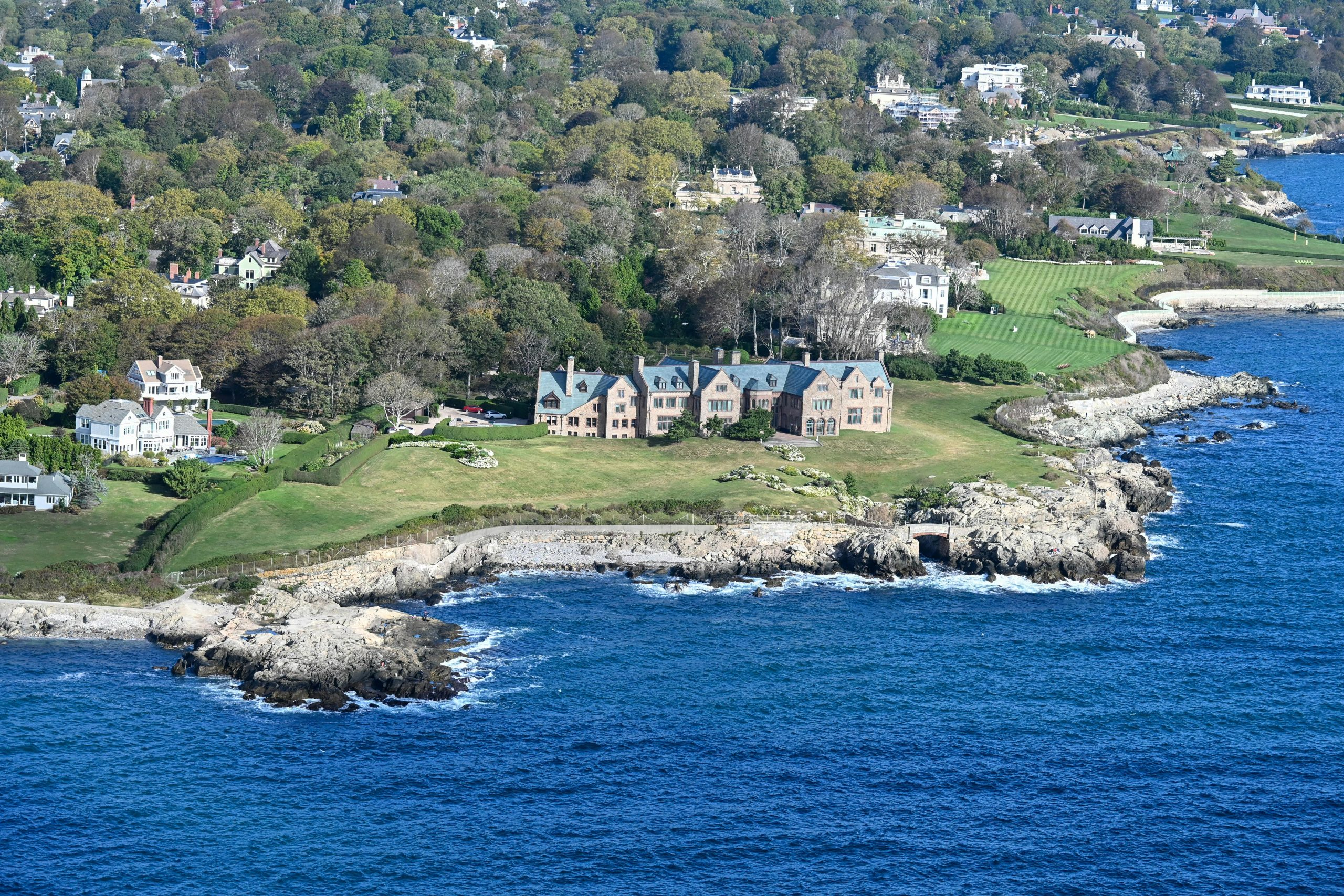
Colonial Homes: The Roots of American Architecture
The earliest homes in America were heavily influenced by the architectural styles of the colonizers. The first European settlers brought with them their traditional English, Dutch, and Spanish building techniques, resulting in a fusion of styles that came to be known as colonial architecture.
One of the most prominent examples of colonial architecture is the Cape Cod style, which originated in the 17th century in New England. These homes were usually one or one-and-a-half stories tall, with a steep roof, central chimney, and symmetrical facade. Because of their simple and practical design, Cape Cod homes became widespread throughout the country, even in areas as far as the Midwest.
The Emergence of the Federal Style
In the late 18th and early 19th centuries, America experienced a surge in prosperity and cultural development, leading to the emergence of a new architectural style known as the Federal style. Inspired by the classical architecture of ancient Greece and Rome, Federal homes featured symmetrical facades, pediments, and grand entranceways supported by elegant columns.
This style of architecture was particularly favored by the wealthy class and was commonly found in major cities such as Boston, New York, and Philadelphia. One of the most well-known examples of Federal architecture is the White House, which was designed by James Hoban in 1792 and is still the official residence of the US president.
Victorian Homes: The Rise of Eclectic Architecture
As the 19th century progressed, the Victorian era brought about significant changes in American architecture. Industrialization and the growth of the middle class led to the demand for more elaborate and ornate homes, with exaggerated features and details.
Victorian architecture is characterized by its eclectic mix of styles, borrowing elements from Gothic, Italianate, Queen Anne, and Romanesque architecture. These homes often featured intricate trimwork, multicolored paint schemes, and decorative elements such as towers, turrets, and bay windows.
The Impact of the Arts and Crafts Movement
During the late 19th and early 20th centuries, a rebellion against mass-produced and ornate homes emerged, giving birth to the Arts and Crafts movement. This movement focused on simplicity, craftsmanship, and the use of natural materials, making it a stark contrast to the extravagant styles of the Victorian era.
Inspired by the English Arts and Crafts movement, American architects such as Frank Lloyd Wright and Gustav Stickley created homes known for their warmth, simplicity, and connection to nature. The Craftsman style of architecture, with its low-pitched roofs, overhanging eaves, and exposed beams, became a popular choice for middle-class homes during this period.
Modernism in America: Functionality Meets Aesthetics
The early 20th century saw a shift towards a more functional and minimalistic approach to residential architecture. Modernist architects such as Le Corbusier, Ludwig Mies van der Rohe, and Walter Gropius rejected elaborate ornamentation and instead focused on creating homes that were efficient, practical, and in harmony with their surroundings.
The International style, characterized by white walls, flat roofs, and large windows, dominated modernist residential architecture. One of the most famous examples is the Farnsworth House, designed by Mies van der Rohe in 1951. This iconic glass house, situated in the Illinois countryside, perfectly embodies the marriage between functionality and aesthetic beauty.
A Return to Traditional Styles
While modernist architecture was at its peak in the mid-20th century, another movement began to gain momentum – the revival of traditional styles. Inspired by the Colonial Revival, Greek Revival, and Tudor Revival styles, architects created homes that paid homage to the past while incorporating modern amenities.
Today, we see a variety of traditional revival styles, such as the Neo-Colonial, Neo-Mediterranean, and Neo-Tudor, scattered throughout the country. These homes represent a desire to blend the comfort and charm of the past with the convenience and technology of the present.
Conclusion
From modest Cape Cod homes to grand Victorian mansions and minimalistic modernist masterpieces, the evolution of residential architecture in America is a reflection of our ever-changing society. Each style not only showcases the talents of architects but also provides a glimpse into the cultural, economic, and social influences of its time. As we continue to build homes, we carry with us the legacy and inspiration of past architectural styles, creating a rich tapestry of design that makes America truly unique.