How Collaborative Learning Spaces Improve Peer To Peer Interaction
Collaborative learning spaces, also known as group learning or cooperative learning, have become increasingly popular in education over the years. These interactive and inclusive environments allow students to actively engage with their peers, instead of just passively listening to lectures. By utilizing collaborative learning spaces, students can enhance their understanding of the subject matter while also developing crucial skills such as communication, teamwork, and problem-solving. In this article, we will explore how this approach to learning can significantly improve peer-to-peer interaction and benefit students in the long run.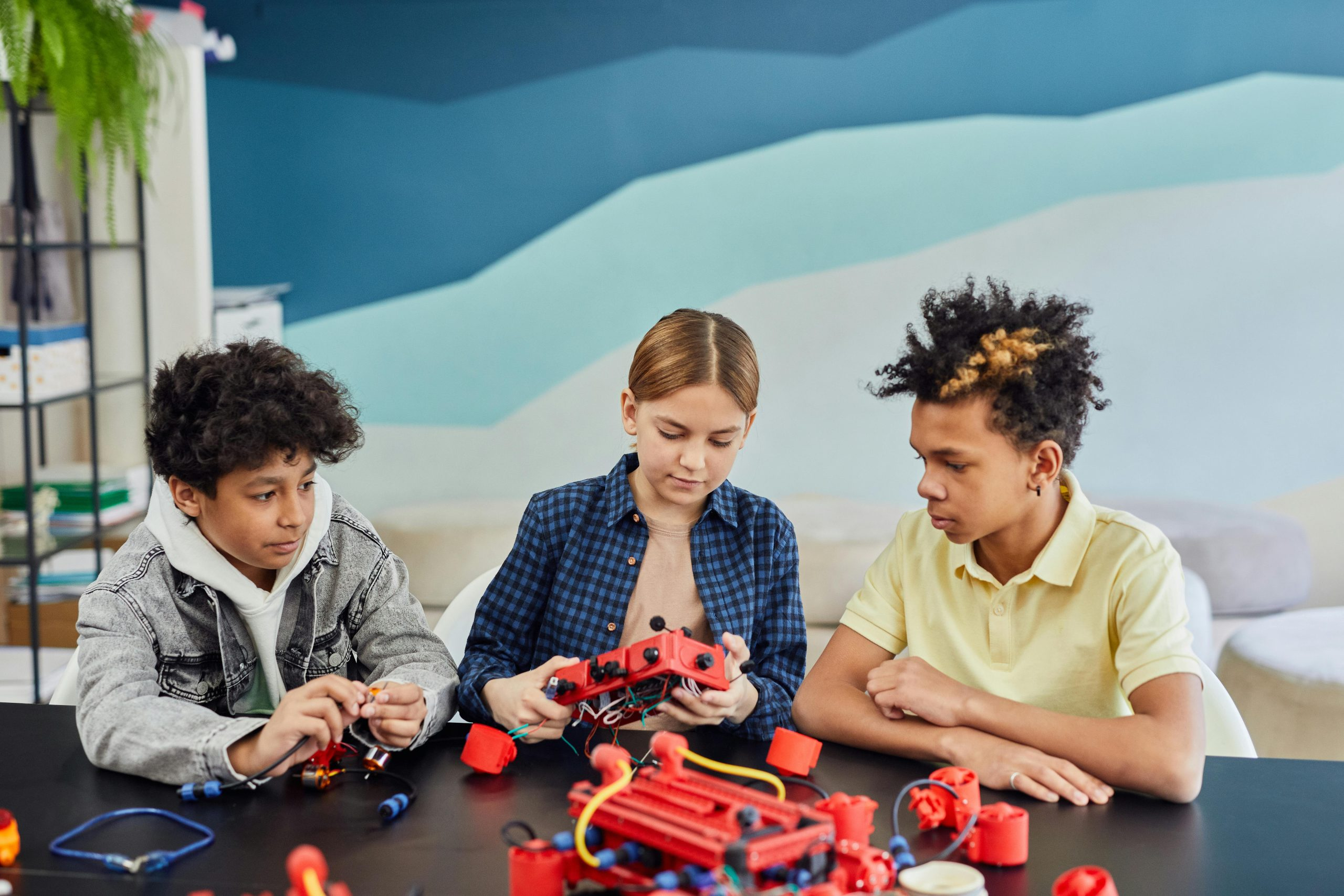
The Power of Collaborative Learning Spaces
In a traditional classroom setting, students are often arranged in rows facing a teacher. This arrangement promotes a one-way flow of information, where students primarily rely on the teacher for knowledge. However, in collaborative learning spaces, students are seated in a circle or group setting, encouraging them to actively participate in the learning process. This teaches students to view their peers as valuable sources of knowledge and encourages them to engage in meaningful discussions and work together to solve problems.
Breaking Down Barriers
Collaborative learning spaces break down barriers that exist between students and promote a sense of equality among them. In traditional classrooms, there may be a divide between students who are more outgoing and confident in answering questions and those who are more reserved. This creates an uneven distribution of participation and can lead to some students feeling left out or disengaged. In a collaborative learning space, all students have the opportunity to share their thoughts and ideas, regardless of their personality or level of confidence.
Fostering Communication Skills
Effective communication is a crucial skill that students need to excel in both academic and professional settings. In collaborative learning spaces, students are encouraged to actively listen to their peers, to articulate their thoughts, and to respectfully disagree and debate. This practice not only improves their communication skills but also teaches them how to work through conflicts and reach a consensus. These skills are essential for students who will enter the workforce and need to collaborate with others on projects and tasks.
Developing Teamwork Abilities
In today’s world, more and more jobs require individuals to work in teams. Collaborative learning spaces allow students to develop teamwork abilities in a safe and supportive environment. By working together with their peers, students learn how to delegate tasks, share responsibilities, and utilize each other’s strengths to achieve a common goal. This prepares them to become effective team members in their future careers.
Promoting Peer Learning
In traditional classrooms, students typically learn from the teacher or textbooks. However, by interacting with their peers in collaborative learning spaces, students can learn from each other. This peer learning not only enhances their understanding of the subject matter but also cultivates a deeper appreciation for diversity and different perspectives. When students teach each other, they become more engaged in the learning process and strengthen their own understanding of the material.
The Benefits of Improved Peer-to-Peer Interaction
As mentioned, collaborative learning spaces significantly improve peer-to-peer interaction, resulting in several advantages for students.
Increased Engagement
Students who are actively engaged in their learning are more likely to retain the information learned. By participating in discussions, debates, and group activities, students become more invested in their education and develop a deeper understanding of the material.
Diversity and Inclusion
In collaborative learning spaces, students from various backgrounds are given a voice, allowing for a diverse range of opinions and experiences to be shared. This promotes a more inclusive learning environment where students feel valued and respected.
Critical Thinking and Problem-Solving Skills
Collaborative learning spaces foster critical thinking and problem-solving skills by encouraging students to analyze and discuss information with their peers. By challenging each other’s ideas, students learn how to think critically and assess different perspectives to find the best solution.
Preparation for the Real World
In today’s fast-paced and interconnected world, it is essential for students to possess strong communication, teamwork, and problem-solving skills. By improving peer-to-peer interaction through collaborative learning spaces, students are better prepared for success in their future careers.
Conclusion
Collaborative learning spaces are a powerful tool that enables students to actively engage with their peers and enhance their learning experience. By fostering inclusive environments, promoting communication and teamwork skills, and encouraging peer learning, collaborative learning spaces can greatly improve peer-to-peer interaction. This interaction is essential for students’ personal development and prepares them for future success in their academic and professional lives.