
The Impact Of Globalization On Traditional World Music Styles
The impact of globalization on traditional world music styles has been a highly debated topic in recent years. While some argue that it has led to the homogenization and dilution of traditional music, others argue that it has opened up new opportunities for artists and allowed for the fusion of different styles. With the rise of technology and the increasing interconnectedness of the world, the influence of globalization on traditional music cannot be ignored.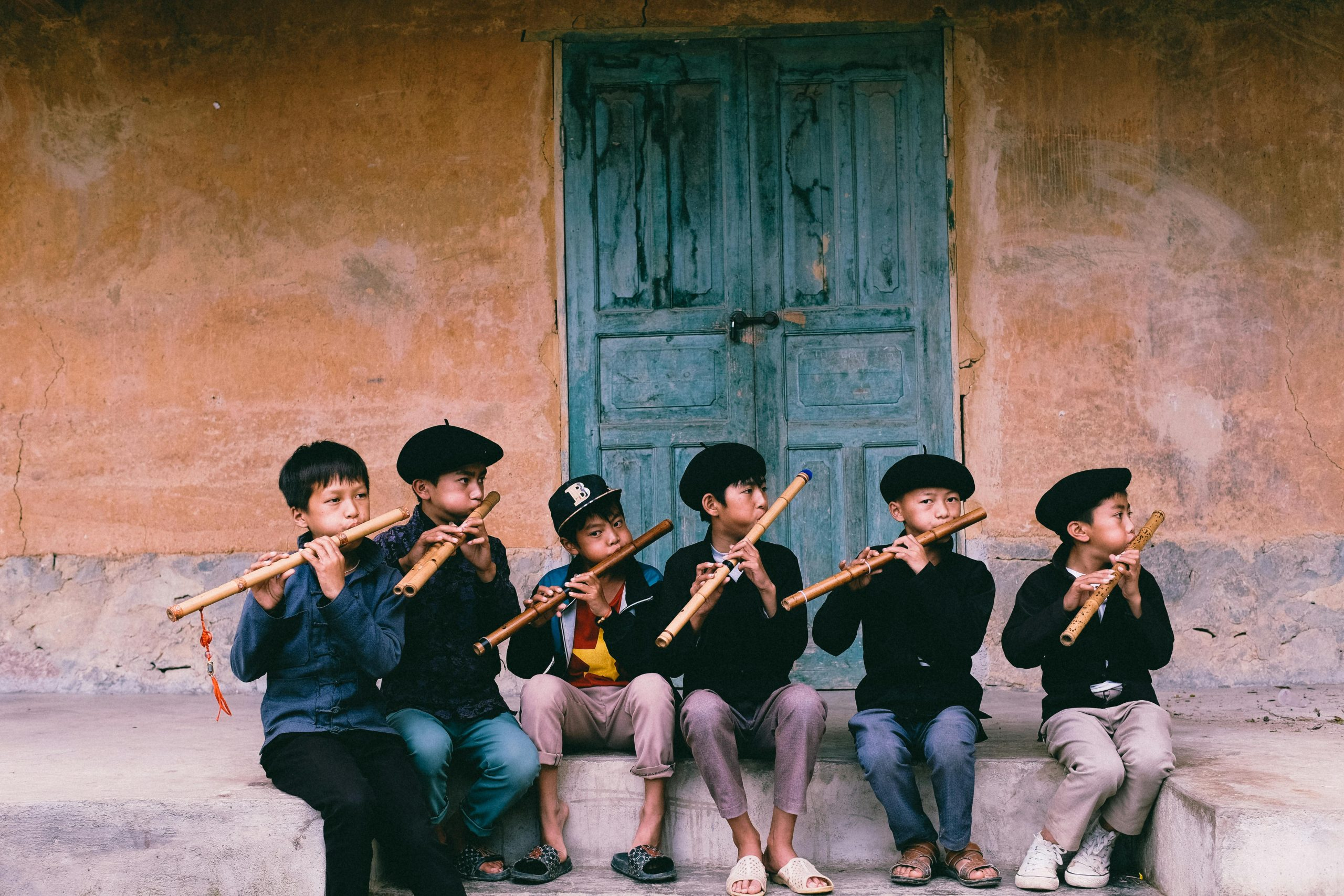
What is Traditional World Music?
Traditional world music can be defined as the music of a specific culture or region, passed down through generations and deeply embedded in the cultural heritage of a community. It is often performed on traditional instruments and reflects the identities, values, and beliefs of the people who created it. These musical styles are unique to their respective cultures and have been preserved and cherished for centuries.
The Impact of Globalization on Traditional World Music
As the world becomes more connected through technology and international trade, traditional music styles have been exposed to a wider audience. This has led to an increased interest in traditional world music and has allowed for the spread of these styles to different parts of the world. On the one hand, this has provided a platform for traditional artists to showcase their talents to a larger audience.
However, the influence of globalization has also brought about challenges for traditional world music. With the rise of western music and pop culture, there has been a gradual decline in the popularity of traditional music styles. The easy accessibility of western music through digital platforms has made it more appealing to younger generations, leading to a decline in interest in traditional music.
Homogenization of Traditional Music
Globalization has also led to the homogenization of traditional music styles. As these styles become popular in different parts of the world, they start to lose their distinctiveness and uniqueness. In an effort to appeal to a wider audience, traditional artists may also incorporate elements of western music into their own, leading to a fusion of styles that may not accurately represent the traditional music of a particular culture.
Furthermore, the commercialization of traditional music has also led to the standardization of these styles, making them more marketable to a global audience. This can result in traditional music losing its authenticity and becoming a product rather than a reflection of a culture or community.
The Evolution of Traditional Music
Despite the challenges posed by globalization, traditional world music has also seen an evolution and adaption to modern times. With the rise of music festivals and global audiences, traditional musicians have been able to collaborate and fuse their styles with other artists, creating new and unique forms of music. This has allowed for the preservation of traditional music while also allowing it to evolve and adapt to modern times.
Moreover, the availability of online platforms has allowed traditional musicians to reach a wider audience and collaborate with other artists from different parts of the world. This has led to the blending of traditional and modern styles, creating a new genre of music that appeals to a global audience.
In Conclusion
The impact of globalization on traditional world music styles is a complex and ongoing process. While it has brought about challenges for traditional music, the easy accessibility and interconnectedness of the world have also provided opportunities for the evolution and preservation of these styles. It is important to recognize and appreciate the unique cultural heritage that traditional music represents and to support its continued growth and development in a globalized world.