How To Prepare Your Finances For A Second Home

Buying a second home can be an exciting and rewarding decision. It means having a special place to escape to, make memories, and possibly generate income. However, preparing your finances for a second home purchase can be overwhelming, especially if you’re not sure where to start. With careful planning and smart financial decisions, you can make your dream of owning a second home a reality. In this article, we’ll discuss the various steps you can take to prepare your finances for a second home and make the process smoother and more manageable.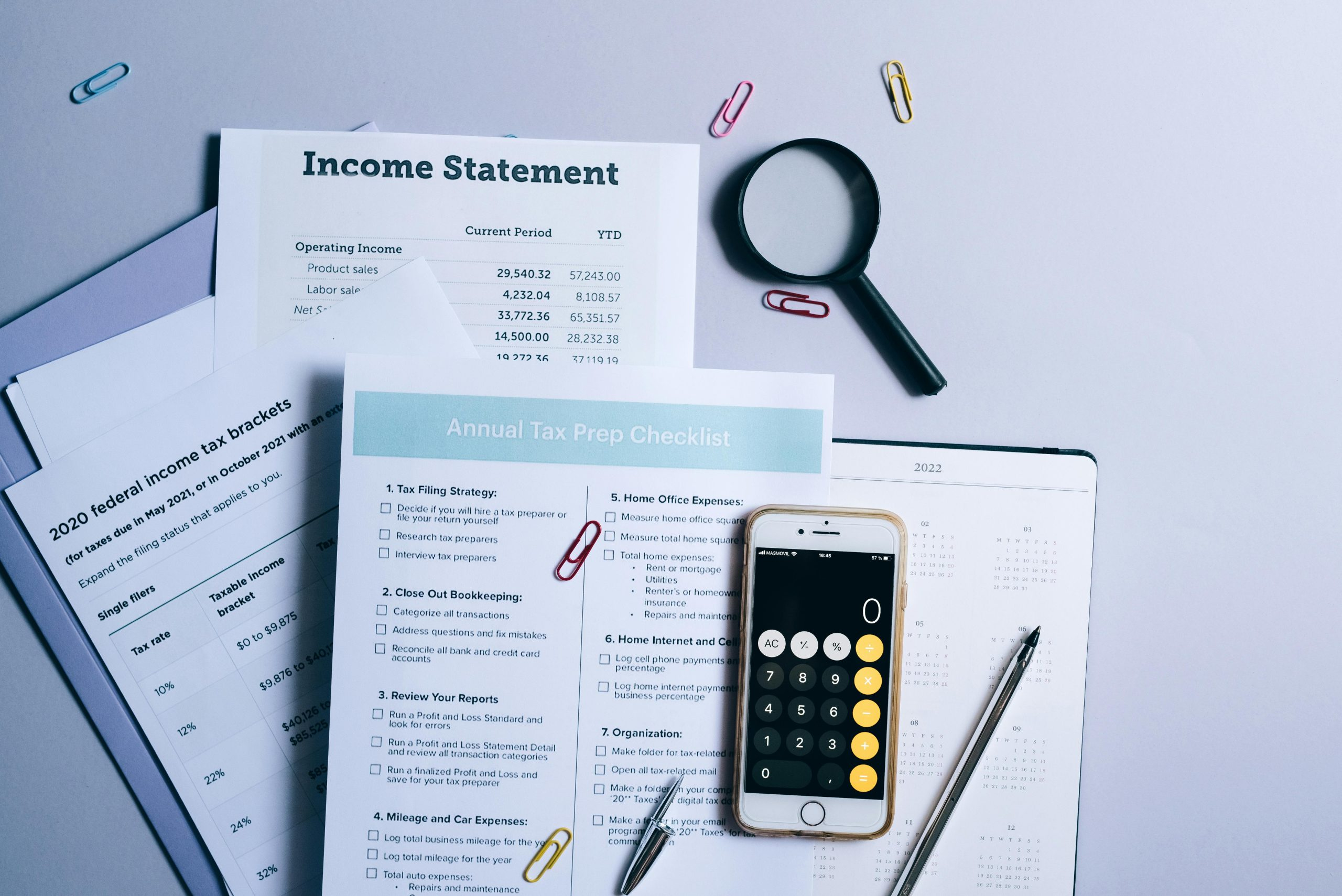
Understand Your Financial Situation
The first step to preparing your finances for a second home is to take a close look at your current financial situation. This includes assessing your income, expenses, and debt. You need to have a clear understanding of how much disposable income you have each month, as well as how much debt you’re carrying. This will help you determine how much you can afford to spend on a second home.
It’s also essential to consider potential changes in your income and expenses in the future. Are you expecting a promotion or a raise in the near future? Or are you planning to start a family? These factors can affect your finances and should be taken into account when deciding on the affordability of a second home.
Set a Realistic Budget
Once you have a good understanding of your financial situation, it’s time to set a realistic budget for your second home. This budget should include not only the purchase price but also ongoing expenses such as insurance, property taxes, and maintenance costs. It’s crucial to be honest with yourself and avoid underestimating these expenses, as they can quickly add up and put a strain on your finances in the long run.
Moreover, it’s recommended to start with a conservative budget and leave some room for unexpected costs. This will help you avoid getting in over your head and potentially regretting your decision later on.
Save for a Down Payment
One of the most significant financial hurdles when buying a second home is saving for a down payment. Most lenders require a larger down payment for a second home compared to a primary residence. This is because owning a second home is considered a higher-risk investment, and lenders want to ensure that you have enough skin in the game.
The down payment for a second home is typically around 10-20% of the purchase price. Therefore, it’s essential to start saving as early as possible to reach this goal. You can create a separate savings account specifically for your second home down payment or cut back on expenses and save more aggressively. You can also explore government programs that offer down payment assistance to qualified buyers.
Improve Your Credit Score
Aside from your down payment, your credit score plays a crucial role in the mortgage approval process. Lenders use your credit score to assess your creditworthiness and determine the interest rate on your loan. With a higher credit score, you can qualify for better interest rates and save thousands of dollars over the life of your loan.
If your credit score isn’t where you want it to be, take the time to improve it before applying for a second home mortgage. This includes making on-time payments, keeping your credit card balances low, and avoiding opening new credit accounts. You can also request a copy of your credit report and dispute any errors that might be dragging your score down.
Consider Different Financing Options
When it comes to financing a second home, you have several options to choose from. The most common is a traditional mortgage, which requires a down payment and proof of income to qualify. However, if you’re unable to secure a traditional mortgage, you can explore alternative options such as a home equity loan or a personal loan.
Home equity loans are secured by the equity in your primary residence, while personal loans are unsecured and come with higher interest rates. It’s vital to carefully consider your options and choose the one that best fits your financial situation.
Conclusion
Buying a second home is undoubtedly an exciting prospect, but it requires careful planning and preparation. By understanding your financial situation, setting a realistic budget, saving for a down payment, and improving your credit score, you can increase your chances of successfully purchasing a second home. Additionally, considering different financing options can provide you with more flexibility and make the process more manageable. Remember to take your time, do your research, and seek the help of a financial advisor if needed. With the right approach, you can make your dream of owning a second home a reality.