How To Choose The Right Cutting Board Material
Cutting boards are an essential tool in any kitchen. They provide a safe and sanitary surface for chopping, slicing, and dicing food. However, with the variety of materials available, choosing the right cutting board can be a daunting task. From wood to plastic to bamboo, there are numerous options to consider. So, how do you choose the right cutting board material for your needs? In this article, we will dive into the different types of cutting board materials and guide you through the decision-making process. Let’s get started!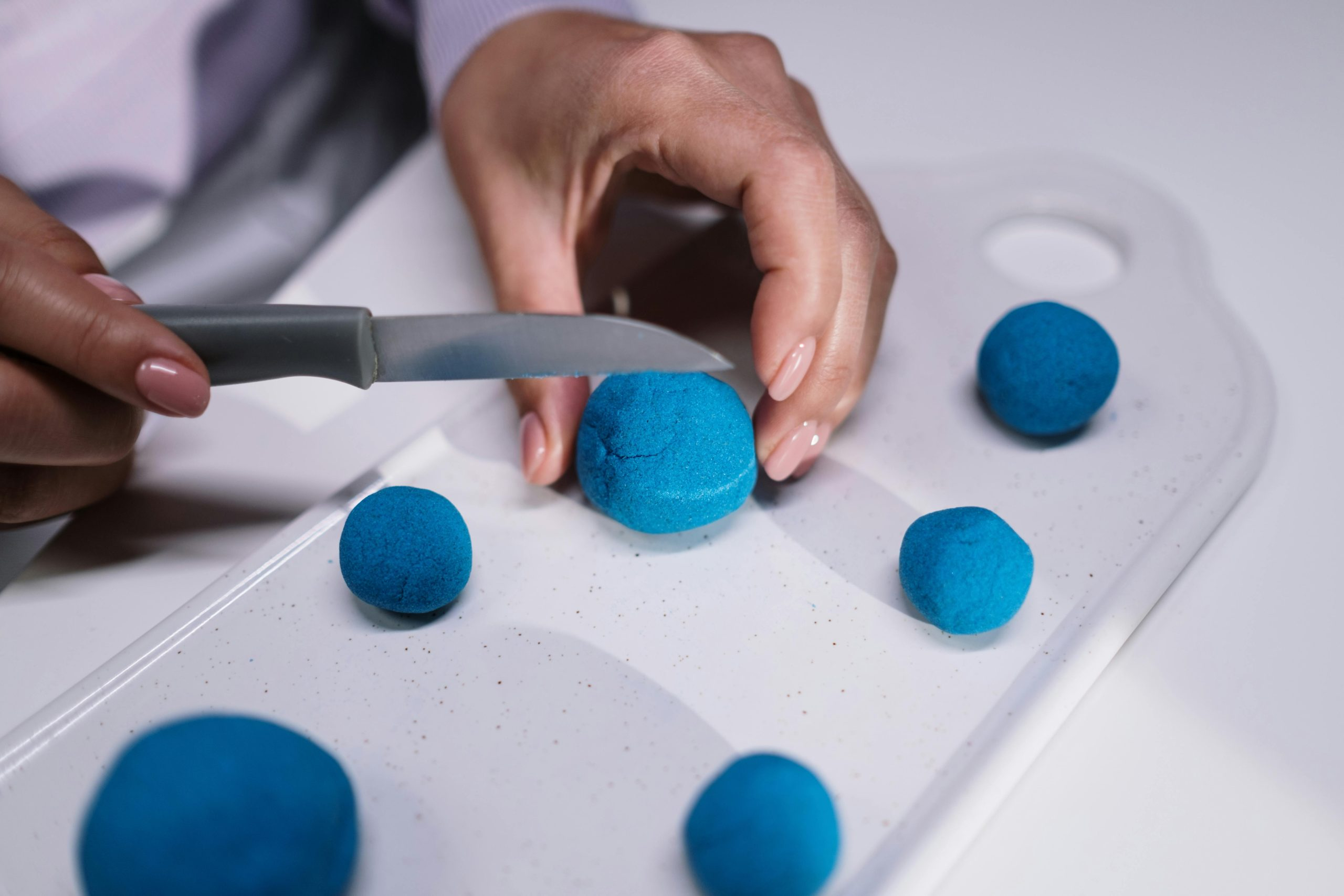
Wooden Cutting Boards
Durability and Maintenance
Wooden cutting boards are a classic choice for many home cooks. They come in a variety of wood types, such as maple, teak, and acacia, each with its unique characteristics. Wooden boards are known for their durability, making them a long-lasting choice for your kitchen. With proper care, they can last for years without showing signs of wear and tear. This makes them a great investment in the long run.
However, wooden boards require more maintenance compared to other materials. They need to be regularly oiled to prevent them from drying out and cracking. Additionally, they should never be soaked in water or put in the dishwasher as this can damage the wood.
Hygiene and Safety
One of the main concerns with wooden cutting boards is their ability to harbor bacteria. Wood is a porous material, and if not properly maintained, it can trap bacteria in its grooves. However, studies have shown that bacteria are less likely to survive on wooden boards than plastic ones. Furthermore, wood contains natural antimicrobial properties that can help to kill bacteria on the surface. To ensure your wooden cutting board stays clean, always wash it with hot soapy water after use and avoid cutting raw meat on it.
Plastic Cutting Boards
Durability and Maintenance
Plastic cutting boards are a popular choice due to their low cost and easy maintenance. They are lightweight and come in a variety of colors and designs, making them a fun addition to any kitchen. Plastic boards are also dishwasher safe, making cleaning a breeze. They are also less prone to chipping and cracking, making them a durable option.
However, plastic cutting boards are not as durable as wooden ones and will need to be replaced more often. They are also more prone to deep grooves and scratches, which can harbor bacteria. To ensure your plastic cutting board remains hygienic, it is important to replace it when you notice excessive scratches or wear.
Hygiene and Safety
Contrary to popular belief, plastic cutting boards can be just as hygienic as wooden ones. As mentioned earlier, bacteria are more likely to survive on a wooden board, while plastic boards are easier to clean and disinfect. This makes them a better option for cutting raw meat. However, it is essential to note that plastic boards can become severely damaged due to deep grooves, making it harder to clean and sanitize them.
Bamboo Cutting Boards
Durability and Maintenance
With a similar look and feel to wooden cutting boards, bamboo boards are becoming a popular choice among home cooks. Bamboo is a sustainable material that is more environmentally friendly than wood. It is also highly durable and resistant to deep cuts and scratches. Additionally, bamboo boards are relatively low maintenance and can be easily cleaned with soap and water.
The only downside to bamboo cutting boards is that they are not as long-lasting as wooden ones. Over time, they can become rough and splinter, making them a less hygienic option.
Hygiene and Safety
Bamboo cutting boards are a hygienic option for your kitchen, with similar properties to wooden boards. However, studies have shown that bamboo has antimicrobial properties that can prevent bacteria from surviving on its surface, making it a safer choice for cutting raw meat. Regular cleaning and sanitizing of your bamboo cutting board will ensure it stays hygienic and free from bacteria.
Final Thoughts
When it comes to choosing the right cutting board material, it ultimately depends on personal preference and lifestyle. While wooden boards are a timeless classic, they require more maintenance to stay hygienic. Plastic and bamboo boards are easier to clean and maintain, but they may not last as long. Regardless of the material you choose, always make sure to give your cutting board proper care to ensure it remains a safe and hygienic tool in your kitchen.
Hopefully, this article has shed some light on the different types of cutting board materials and helped you make an informed decision on which one is right for you. Happy chopping!