
The Future Of Smart Glass In Modern Residential Architecture

In recent years, smart home technology has become increasingly prevalent in modern residential architecture. From automated lighting systems to voice-controlled assistants, smart devices have transformed the way we interact with and experience our homes. And one of the most innovative and futuristic features in this realm is smart glass. This revolutionary technology has the ability to transform the traditional aspects of residential architecture and open up a whole new world of possibilities. In this article, we will delve into the future of smart glass in modern residential architecture and explore its potential to revolutionize the way we live in and design our homes.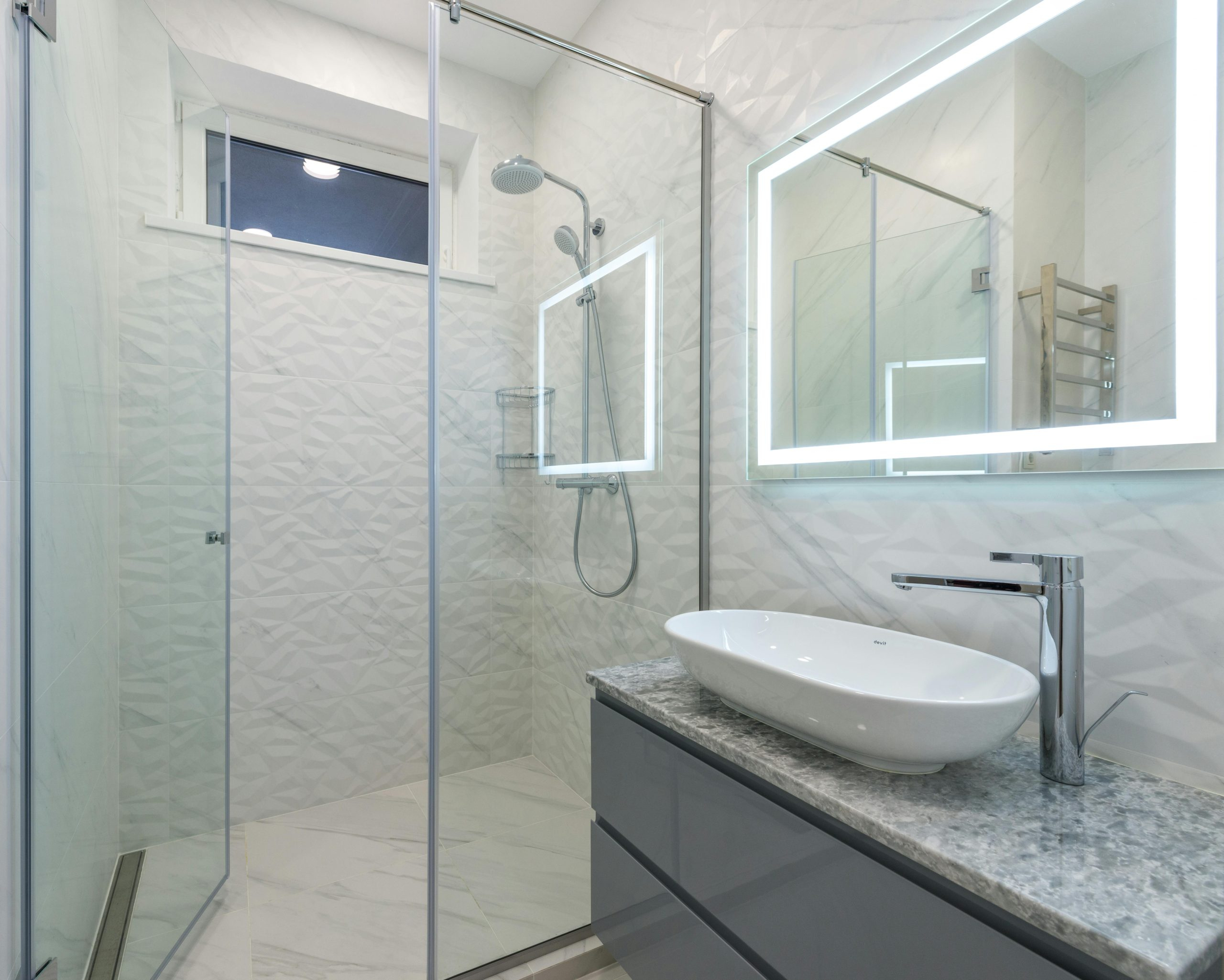
The Power of Smart Glass
Smart glass, also known as switchable glass, is a type of glass that can change its properties with the touch of a button or through a voice command. It utilizes innovative technology to transform from transparent to translucent or even opaque, offering homeowners the ability to control the level of light and privacy in their homes. This technology has already made its mark in commercial buildings, but its potential in the residential sector is still untapped.
One of the main benefits of smart glass is its energy efficiency. By adjusting the tint, it can reduce the amount of heat and UV rays entering the home, leading to a decrease in energy consumption and lower electricity bills. This makes it not only a smart choice for homeowners but also a sustainable one.
The Future of Smart Glass in Residential Architecture
Seamless Integration
The future of smart glass in residential architecture lies in its seamless integration into home design. With advances in technology, smart glass can now be incorporated into windows, doors, skylights, and even entire walls. This will eliminate the need for traditional blinds or curtains, providing a clean and modern aesthetic to any home design.
Moreover, smart glass can also be used in contemporary architecture to create dynamic spaces that can transform from open and airy to intimate and private with just a touch. This will allow homeowners to adjust the level of privacy and light in their homes, creating a personalized and comfortable living experience.
Enhanced Functionality
As technology continues to advance, so will the functionality of smart glass. In the future, we can expect to see smart glass with added features such as the ability to change color or display images and videos. This will revolutionize the way we use windows and other glass surfaces in our homes, transforming them into interactive and multi-functional elements.
Smart glass can also be integrated with other smart devices, allowing for complete automation of the home. Imagine walking into a room and having the lights, temperature, and even the tint of the glass adjusted to your liking without lifting a finger.
Improved Safety and Security
In addition to its aesthetic and functional benefits, smart glass also offers improved safety and security to residential architecture. Its ability to tint and obscure vision provides an added layer of privacy and protection against potential intruders. Moreover, in case of emergency, smart glass can transform into fully opaque, providing a secure and safe environment for residents.
The Challenges of Smart Glass
While the future of smart glass in residential architecture seems promising, there are still challenges that need to be addressed. One of the main hurdles is the cost. Smart glass is still relatively expensive compared to traditional glass, making it less accessible to the average homeowner. However, as technology continues to advance and the demand for smart glass increases, we can expect to see a decrease in prices.
Another challenge is the durability and maintenance of smart glass. As with any technology, there may be issues and malfunctions that can affect its functionality. This is where regular maintenance and technical support will be crucial for homeowners to reap the full benefits of smart glass.
The Bottom Line
The future of smart glass in modern residential architecture is bright, and the potential it holds is boundless. From energy efficiency and functionality to safety and aesthetic appeal, smart glass has the power to revolutionize the way we live in and design our homes. As technology continues to evolve and become more accessible, we can expect to see smart glass becoming a staple in residential architecture, transforming the way we interact with our living spaces.
So, if you’re designing or renovating your home, don’t overlook the potential of incorporating smart glass, and embrace the future of residential architecture. It’s time to unlock the full potential of your home with this cutting-edge technology.