
How To Deep Fry Safely In Your Own Kitchen
Deep frying is a quick and easy way to cook tasty and crispy food in your own kitchen. Whether you’re a seasoned pro or new to the world of deep frying, it’s important to know the tips and tricks for deep frying safely. From selecting the right oil to maintaining the correct temperature, there are many factors to consider when it comes to deep frying. In this article, we’ll guide you through the steps on how to deep fry safely in your own kitchen. So, put on your apron and let’s get started!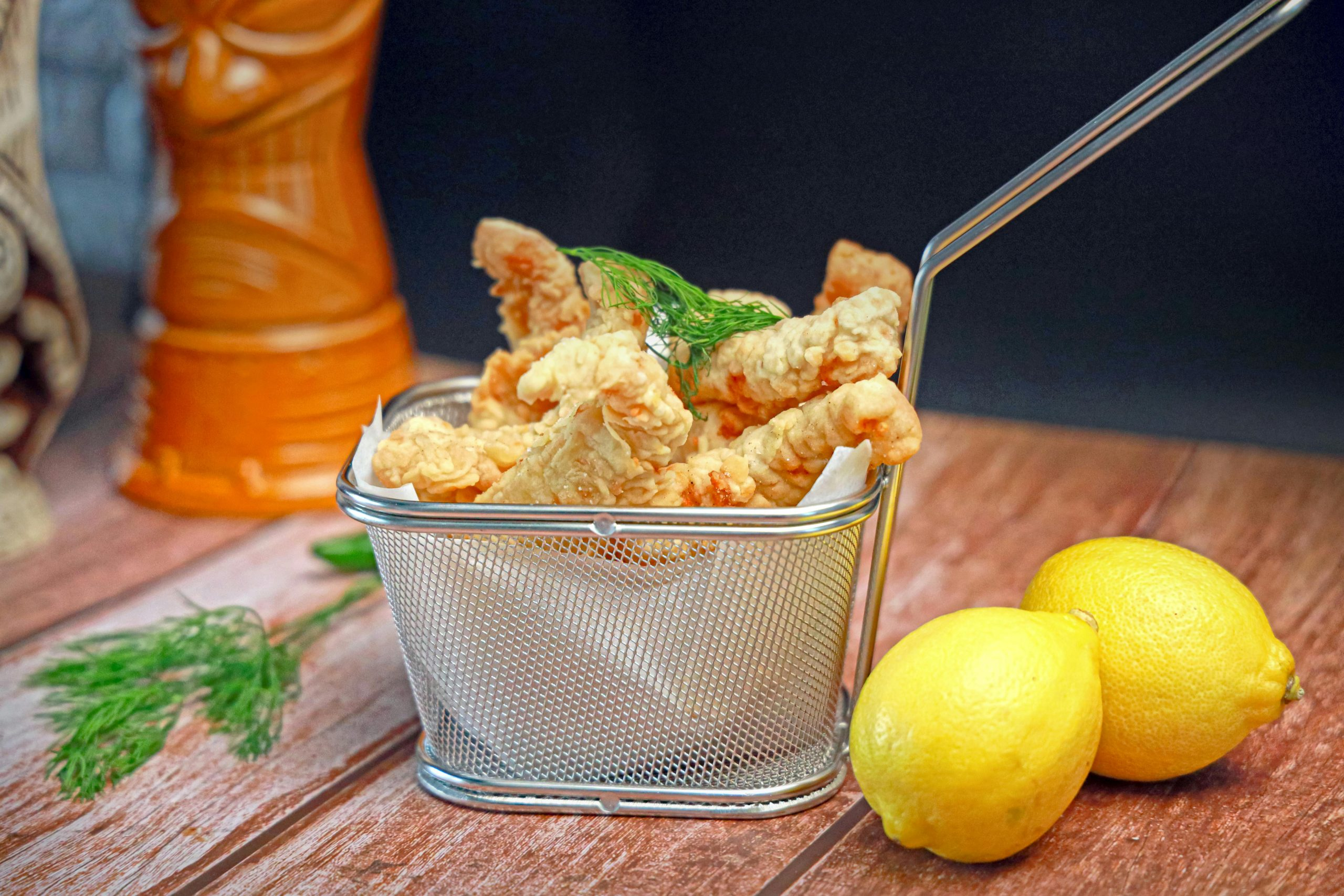
Choosing the Right Oil
The first step to safe deep frying is choosing the right oil. Not all oils are suitable for deep frying, as some have a low smoke point and can break down at high temperatures. Oils with a high smoke point, such as canola, vegetable, and peanut oil, are the best options for deep frying. These oils can withstand high temperatures without breaking down and producing harmful fumes. Avoid using butter, olive oil, or sesame oil for deep frying as they have a low smoke point.
Use a Deep and Wide Pot
When it comes to deep frying, the pot or pan you use is just as important as the oil. A deep and wide pot allows for better heat distribution and prevents the hot oil from splattering. It also provides enough space for the food to cook evenly and prevents overcrowding, which can lower the oil’s temperature. Avoid using a shallow or narrow pot for deep frying, as it can be dangerous and cause accidents.
Monitor the Temperature
The key to perfectly cooked deep-fried food is maintaining the correct oil temperature. Investing in a deep-fry thermometer is highly recommended, as it allows you to easily check and maintain the correct temperature. The ideal temperature for deep frying is between 350-375 degrees Fahrenheit. Make sure to adjust the heat as needed to keep the oil temperature consistent.
Use a Slotted Spoon or Tongs
When it’s time to remove the food from the hot oil, always use a slotted spoon or tongs. These tools allow excess oil to drip off and prevent you from getting splattered with hot oil. Avoid using your hands to remove the food, as the hot oil can cause severe burns.
Keep a Fire Extinguisher Nearby
Although deep frying isn’t inherently dangerous, accidents can happen. That’s why it’s essential to have a fire extinguisher close by when deep frying. In case of a fire, never try to extinguish it with water as it can cause the oil to splatter and spread the fire. Instead, use a fire extinguisher or cover the pot with a metal lid to cut off the oxygen supply.
Dispose of the Used Oil Safely
Once you’re done deep frying, it’s important to dispose of the used oil correctly. Never pour hot oil down the drain, as it can clog the pipes and cause a fire hazard. Let the oil cool down completely, then pour it into a sealed container and dispose of it in the trash. Alternatively, you can strain and use the used oil for future deep frying.
Clean Up Thoroughly
Cleaning up after deep frying can be a daunting task, but it’s essential for maintaining a safe cooking environment. Make sure to let the oil cool down completely before cleaning up. Once cooled, use a paper towel to wipe the oil residue from the pot. Scrub the pot with hot soapy water and rinse it thoroughly. If your frying pot is dishwasher safe, you can also use the dishwasher for cleaning. Always remember to clean any splatters or spills that may have occurred during deep frying.
In Conclusion
Deep frying is a delicious and convenient way to cook food, but it can be dangerous if not done correctly. By following these tips, you can ensure safe and tasty deep frying in your own kitchen. Remember to choose the right oil, use a deep and wide pot, monitor the temperature, and always have a fire extinguisher nearby. And of course, don’t forget to clean up thoroughly after deep frying. Now you’re ready to impress your friends and family with your deep frying skills!