The Impact Of Globalization On Traditional Ethnic Dress Styles
Globalization has greatly influenced our lifestyles, culture and traditions. From the way we communicate, to the food we eat, to the clothes we wear – every aspect of our lives has been transformed due to the increasing interconnectedness of the world. One of the most notable impacts of globalization can be seen in traditional ethnic dress styles. In this article, we will explore the ways in which globalization has affected and shaped the evolution of traditional ethnic dress styles, and the implications it has on society and culture.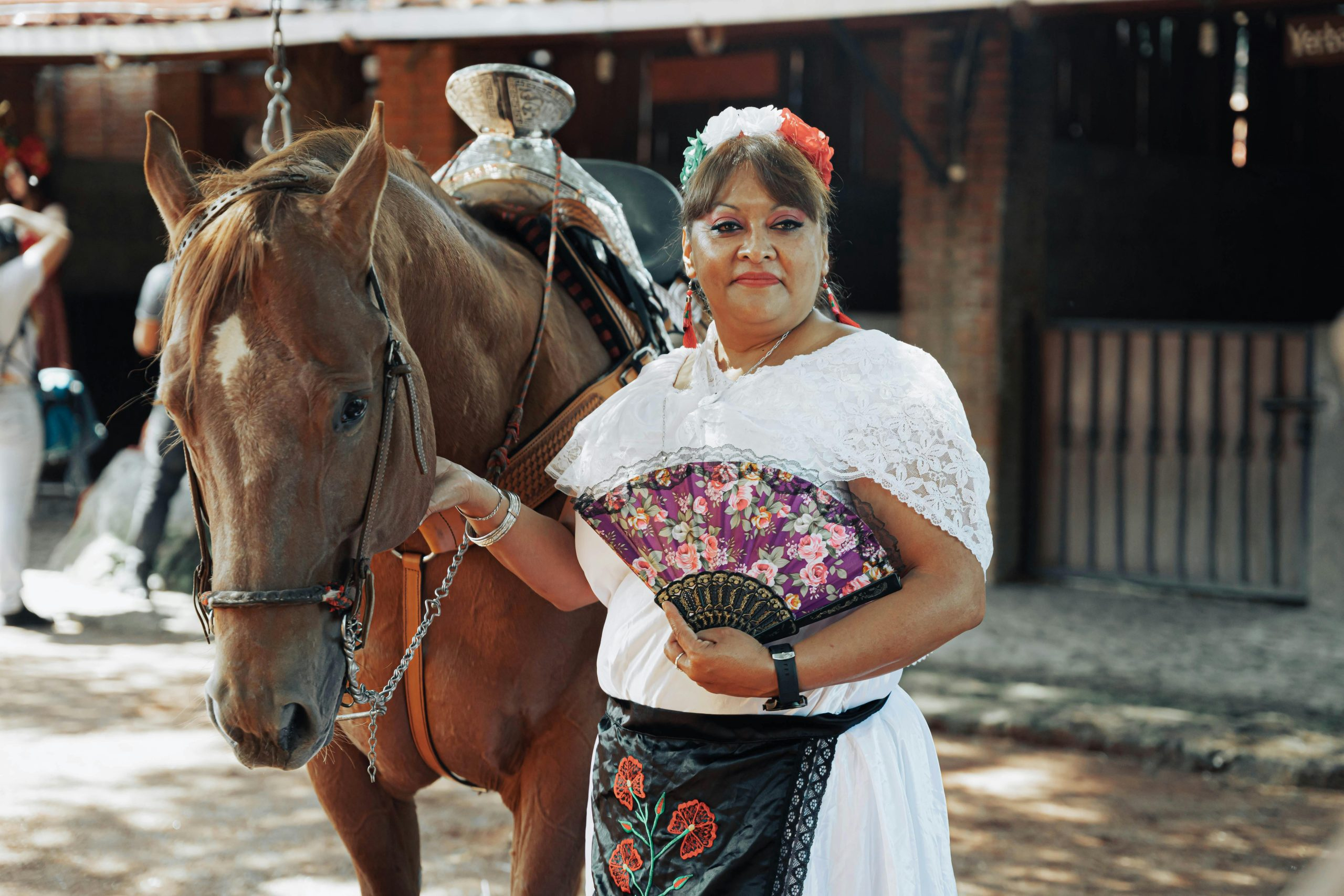
The Evolution of Traditional Ethnic Dress Styles
Traditional ethnic dress styles are not merely garments, but they are deeply rooted in the histories, customs, and beliefs of different cultures around the world. They are an expression of identity, heritage, and values, passed down from generation to generation. As societies have become more interconnected and borders have become less defined, these traditional ethnic dress styles have undergone a significant transformation.
Cultural Exchange and Borrowing
One of the most significant impacts of globalization on traditional ethnic dress styles is the rise of cultural exchange and borrowing. With the ease of travel and the internet, people from different parts of the world are now exposed to different cultures and their unique fashion styles. This has led to a fusion of traditional ethnic dress styles with modern fashion trends, creating a new global trend.
For example, the traditional Japanese kimono has now been incorporated into mainstream fashion with the introduction of the kimono robe. Similarly, traditional Indian sarees and kurtas have been given a contemporary twist and are now popular choices among celebrities and fashion bloggers worldwide.
Mass Production and Fast Fashion
The rise of globalization has also led to the mass production of clothing and the advent of fast fashion. This has greatly affected traditional ethnic dress styles, as they are often hand-crafted by skilled artisans using traditional techniques and materials. With the availability of cheaper, mass-produced clothing, traditional dress styles are slowly becoming obsolete.
In many cases, traditional dress styles are being overtaken by western fashion, which is more accessible and affordable. This has not only impacted the livelihoods of artisans and their communities but has also led to the loss of cultural identity and heritage.
The Influence of Global Fashion Trends
Globalization has also brought with it a global fashion industry, which has had a considerable influence on traditional ethnic dress styles. Designers and fashion houses from all over the world are now drawing inspiration from traditional ethnic dress styles and incorporating them into their collections. While this may help to keep traditional styles relevant and visible, it has also led to questions about cultural appropriation and exploitation.
The popularity of cultural icons and celebrities also plays a significant role in shaping global fashion trends. For instance, when a famous celebrity wears a traditional dress from a specific culture, it becomes a fashion statement, and many people start adopting it without fully understanding its significance and meaning. This leads to diluting the roots and authenticity of traditional ethnic dress styles.
The Impact on Society and Culture
The impact of globalization on traditional ethnic dress styles goes beyond the fashion industry. It has a significant influence on society and culture as a whole. As traditional dress styles are being replaced by modern fashion trends, there is a loss of cultural identity and heritage among people. With the loss of traditional dress, there is also a loss of the stories, meanings, and customs attached to them.
Furthermore, globalization has also led to the homogenization of fashion. With the mass production and availability of western clothing, people from different cultures are now dressing alike, erasing the diversity and uniqueness of traditional dress styles. This has led to a sense of loss and disconnection among communities.
On the positive side, the fusion of traditional dress styles with modern fashion has led to the celebration of diversity and inclusivity in fashion. People from different cultures are now proudly showcasing their unique styles and incorporating them into their everyday wear. This promotes cultural exchange and understanding, fostering a more globalized society.
In Conclusion
The impact of globalization on traditional ethnic dress styles has been significant, ranging from the evolution of fashion to the effects on society and culture. While traditional dress styles are not disappearing entirely, they are facing challenges as they adapt to the changing times. It is crucial to strike a balance between preserving traditional dress and embracing modern fashion trends to ensure the continuity of cultural identity and heritage. Globalization has undoubtedly brought about many benefits, but it is essential to be mindful of its impact on traditional dress styles and the communities behind them.