Breaking Down Barriers To Global Education Access For Girls
Education is a fundamental human right that every person should have access to, regardless of their gender. However, for many young girls around the world, going to school is not a given. Barriers such as poverty, discrimination, and cultural norms stand in the way of girls’ access to education. This not only deprives them of their basic human right but also hinders their personal and professional growth, as well as the development of their communities and countries. Breaking down these barriers to global education access for girls is crucial in creating a more equitable and inclusive society. In this article, we will explore some of the key barriers that prevent girls from accessing education and discuss potential solutions to address them.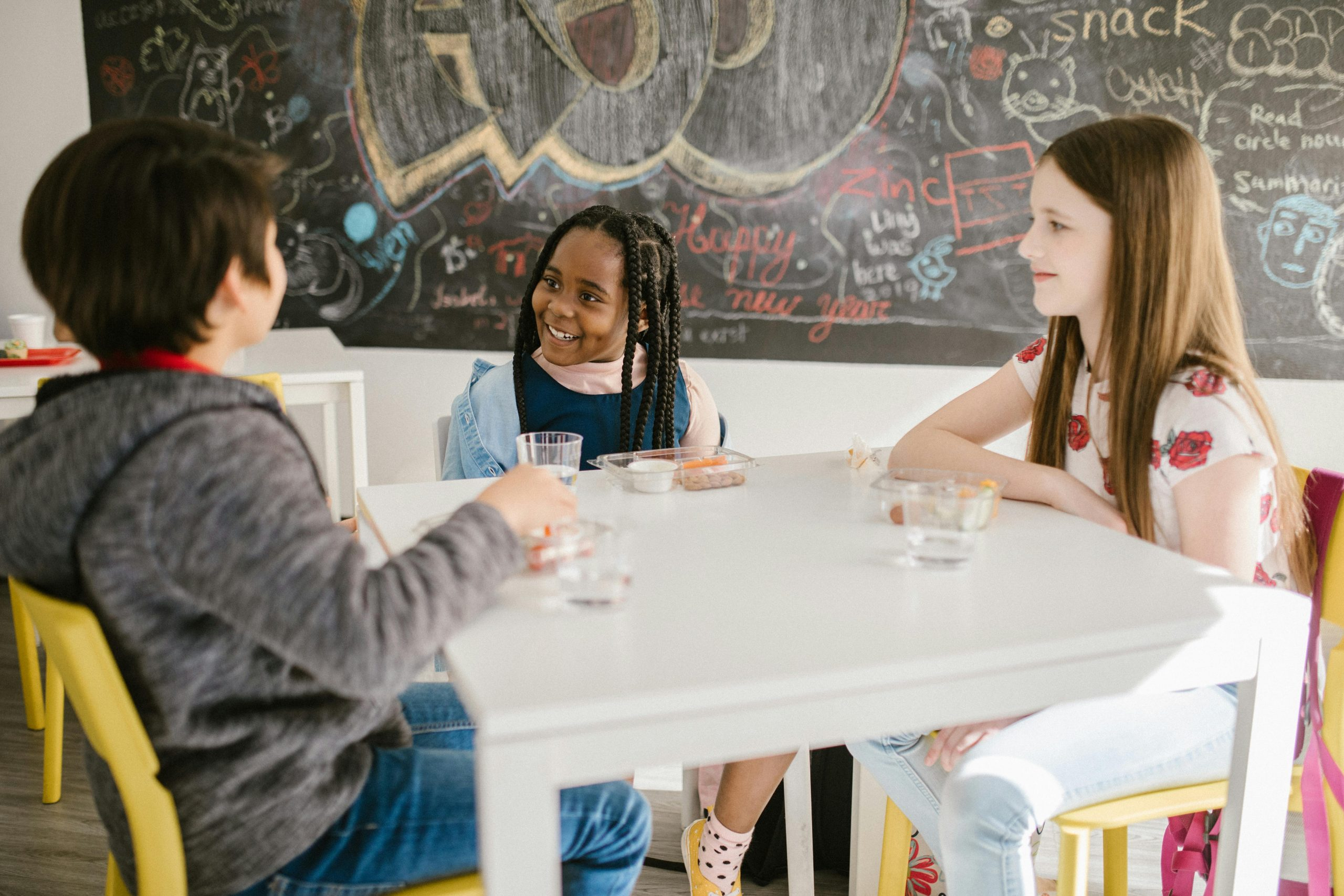
Socio-Economic Barriers
One of the primary barriers to girls’ education is poverty. According to a report by UNESCO, children from the poorest households are four times more likely to be out of school than those from the richest households. For many families living in poverty, education is seen as a luxury that they cannot afford. This is especially true for girls, whose education is often considered less important than boys’. In many cases, girls are expected to help with household chores and take care of younger siblings, which takes them away from school.
In addition to poverty, the cost of education can also be a barrier for girls. In some countries, families have to pay for school supplies, books, uniforms, and transportation, which can be expensive for those living in poverty. The lack of basic infrastructure, such as electricity and transportation, also makes it difficult for girls to attend school, especially in rural areas.
Solutions:
To overcome these socio-economic barriers, governments and organizations must invest in programs that target low-income families and provide them with financial assistance to cover the costs of education. Scholarships, school feeding programs, and transportation support can help alleviate the financial burden on families and enable girls to attend school. Additionally, investing in infrastructure and improving access to education in remote areas can also contribute to breaking down these barriers.
Cultural and Social Barriers
In many societies, cultural and social norms limit girls’ access to education. Traditional gender roles and stereotypes can dictate that girls should stay at home and focus on domestic tasks, while boys should receive an education to support their families in the future. This often leads to girls being pulled out of school at a young age to get married or to take on household responsibilities.
Moreover, girls and women may also face discrimination and violence in their communities, which can be a significant barrier to their education. Girls who have been victims of child marriage, sexual abuse, or trafficking may be forced to drop out of school due to stigma, shame, and fear of further harm.
Solutions:
To address these cultural and social barriers, community and religious leaders must be involved in promoting girls’ education and challenging harmful gender norms. Awareness campaigns and sensitization programs can help change people’s perceptions and attitudes towards girls’ education. It is also crucial to provide safe and supportive learning environments for girls, where they can learn without fear of discrimination or violence.
Policy Barriers
In many countries, there are policies and laws in place that discriminate against girls and limit their access to education. These include gender-biased education policies, such as denying girls the right to attend school during menstruation, and child marriage laws that allow girls to be married off at a young age, leading to early dropouts.
Furthermore, conflicts and emergencies also pose a significant barrier to girls’ education. In times of crisis, schools are often damaged or destroyed, and families may be forced to flee their homes, disrupting their children’s education. Girls are particularly vulnerable during these situations, facing a higher risk of sexual violence and exploitation, as well as missing out on their education.
Solutions:
Governments must ensure that their policies are gender-sensitive and promote equal opportunities for girls. Laws must be put in place to prevent child marriage and protect girls from all forms of violence and discrimination. In areas affected by conflict and emergencies, international organizations and governments must prioritize education in their humanitarian responses and provide safe and inclusive learning opportunities for girls.
The Impact of Breaking Down Barriers to Global Education Access for Girls
When girls have equal access to education, the benefits are far-reaching. Education can empower girls and women to break the cycle of poverty, contribute to their countries’ economies, and become agents of change in their communities. Educated girls are also healthier, marry later, and have fewer children, which can lead to better maternal and child health outcomes.
Furthermore, promoting girls’ education has a positive impact on society as a whole. Educated girls are more likely to be involved in decision-making processes and advocate for their rights and the rights of others. They can also break down gender stereotypes and contribute to creating a more inclusive and equal society for all.
In conclusion, breaking down barriers to global education access for girls is not only a human rights issue but also a crucial step towards achieving sustainable development. We must all work together to remove these barriers and ensure that every girl has the opportunity to receive a quality education, fulfill her potential, and make a positive impact in the world.