
Advancing STEM Education Through Hands On Robotics Competitions
In today’s rapidly evolving world, the fields of science, technology, engineering, and mathematics (STEM) are becoming increasingly important. These fields are at the forefront of innovation and have a significant impact on our daily lives. As educators, it is our responsibility to equip the next generation with the necessary skills and knowledge to thrive in the ever-changing landscape of STEM. One way to do this is through hands-on robotics competitions, which offer a unique and engaging way to advance STEM education. In this article, we will explore the benefits of hands-on robotics competitions and how they can help advance STEM education.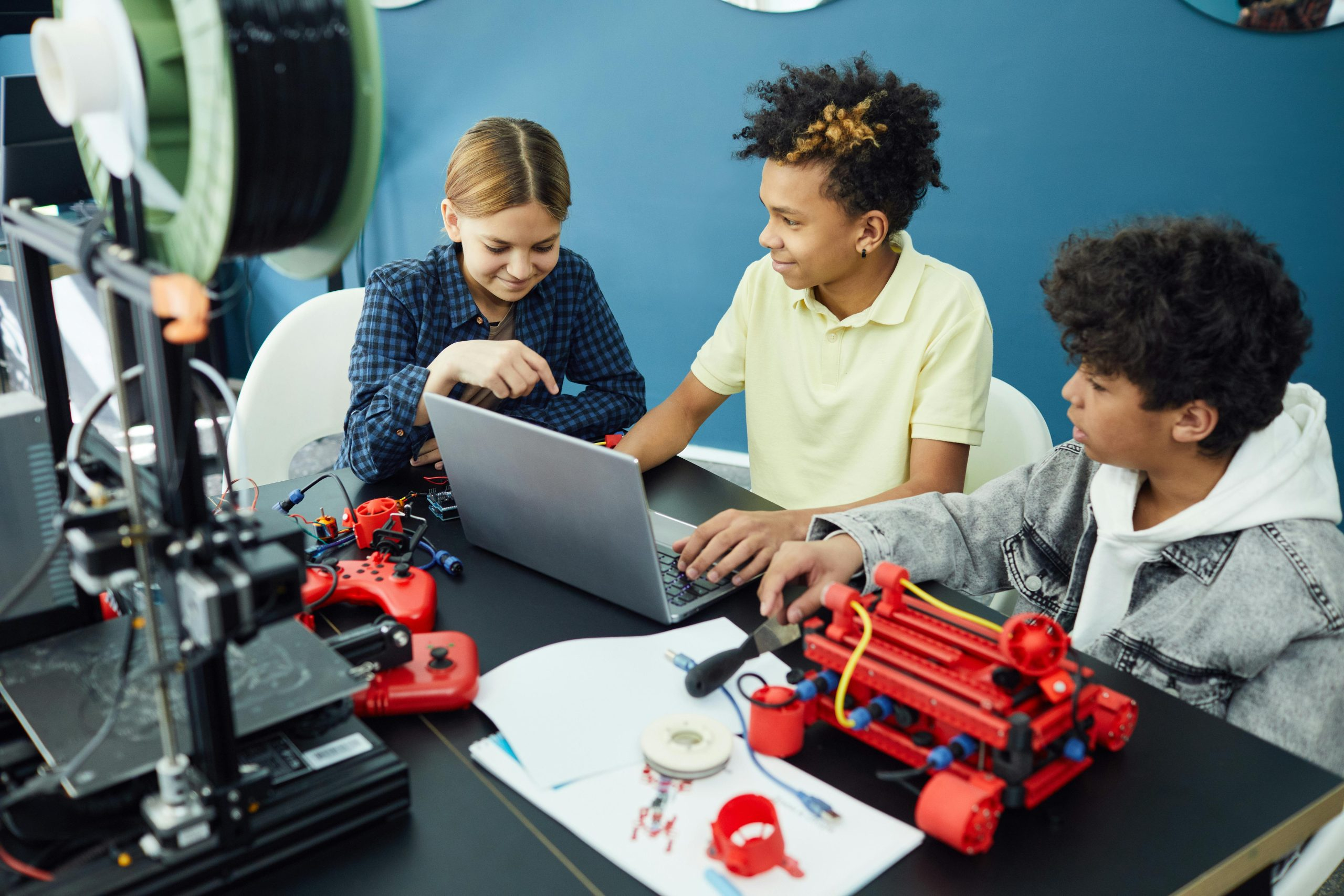
The Importance of STEM Education
STEM education is crucial for the development of critical thinking, problem-solving, and analytical skills in students. It encourages them to think creatively and apply their knowledge to real-world situations. With the rapid pace of technological advancement, it is essential for our education system to keep up and prepare students for the jobs of the future. STEM fields are projected to be the driving force behind economic growth, and providing students with a strong STEM foundation will help bridge the skills gap and create a more competitive workforce.
The Benefits of Hands-On Learning
Hands-on learning is a valuable teaching method that actively engages students in the learning process. It involves the use of tangible objects and real-life experiences to enhance understanding and retention of information. This approach has been proven to be more effective than traditional methods of teaching, which rely on lectures and textbooks alone. With hands-on learning, students are encouraged to think critically and work collaboratively, skills that are essential in the field of STEM.
Enhancing STEM Education Through Robotics Competitions
Hands-on robotics competitions offer a unique opportunity to take learning to the next level. These competitions involve designing, building, and programming robots to complete various tasks or challenges. Students are required to use their knowledge of STEM subjects to solve problems and come up with innovative solutions. These competitions not only build technical skills but also foster teamwork, communication, and leadership abilities.
One of the significant benefits of robotics competitions is that they make STEM subjects more tangible and relatable to students. By using robots, students can see the direct application of their knowledge, making it more exciting and engaging for them. This hands-on approach also allows students to learn from their mistakes and improve their problem-solving skills. The competitive aspect of these competitions also motivates students to work harder and push themselves to excel.
Reaching Underrepresented Groups in STEM
One of the biggest challenges in advancing STEM education is the lack of diversity in these fields. Women, minorities, and students from low-income backgrounds are often underrepresented in STEM. However, hands-on robotics competitions have been proven to be an effective way to attract and retain these groups in STEM fields. These competitions provide a fun and inclusive environment for students of all backgrounds to participate, fostering a love for STEM and breaking down stereotypes.
Conclusion
Hands-on robotics competitions are a valuable tool in advancing STEM education. They provide a unique and engaging way to learn and apply STEM concepts, develop critical skills, and encourage diversity in these fields. As educators, it is essential to embrace innovative teaching methods like robotics competitions to prepare our students for the challenges and opportunities of the future. Let’s continue to support and promote hands-on learning and make STEM education more accessible to all students.