
Exploring The Link Between Physical Education And Brain Power
As children, we were told that “exercise is good for you” and that “it will make you smarter.” While we may have brushed off these statements with a roll of our eyes and a protest about sweating, new research is showing that there may be more truth to these words than we once thought. In fact, recent studies have found a strong link between physical education and brain power, suggesting that exercise not only benefits our bodies but also our minds. Let’s dive deeper into this topic and explore the fascinating connection between physical education and brain power.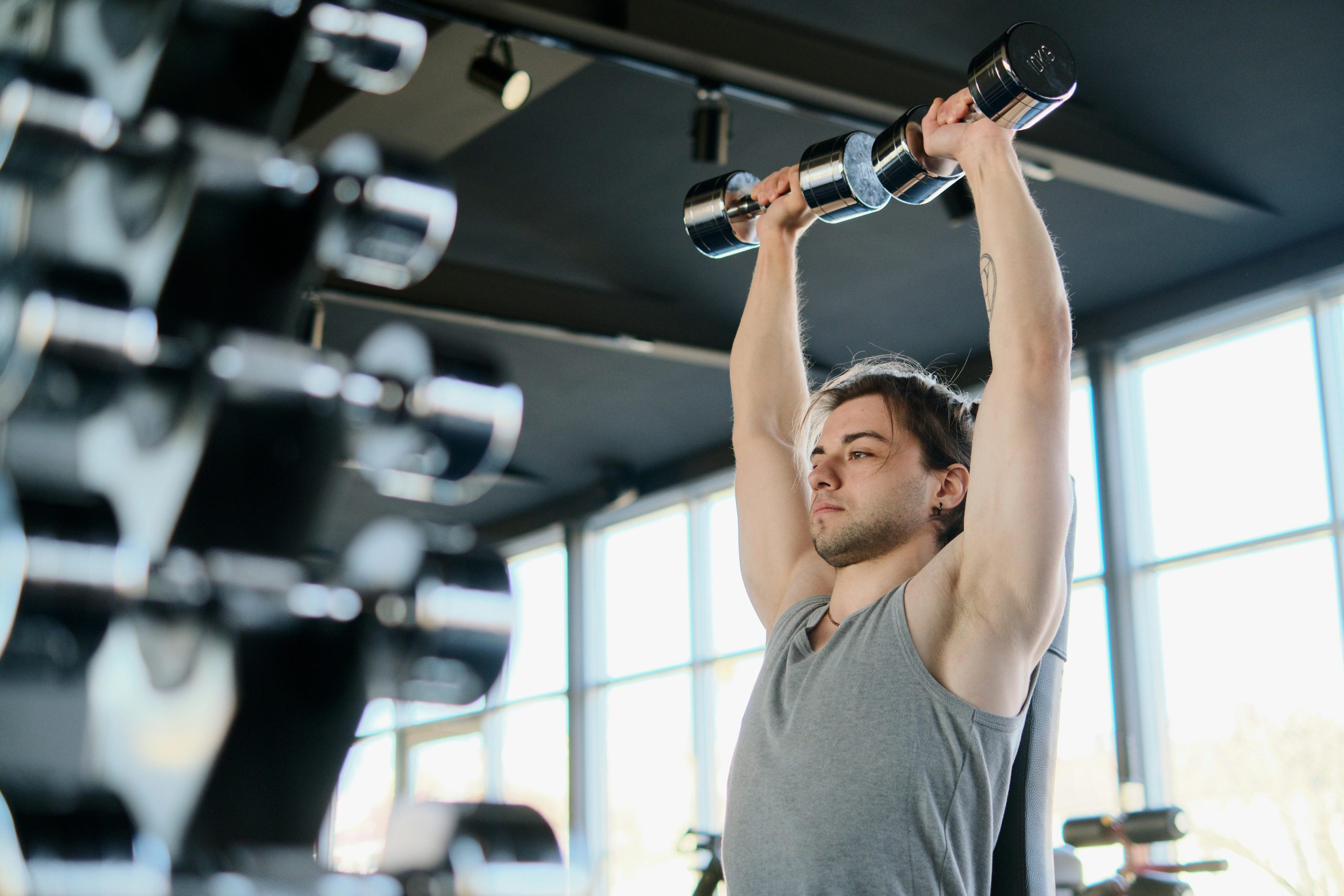
The Benefits of Physical Education on Brain Function
We all know that physical activity is important for maintaining good physical health, but what about our brains? It turns out that exercise has numerous benefits for cognitive function as well. For starters, exercise increases blood flow and oxygen to the brain, which stimulates the growth of new brain cells and strengthens neural connections. Physical education also triggers the release of certain chemicals in the brain, such as endorphins and dopamine, which can improve mood, reduce stress and anxiety, and enhance learning and memory.
Enhances Academic Performance
According to a study conducted by Harvard Medical School, students who regularly engage in physical activity perform better academically. The study found that exercise can improve attention, concentration, and overall cognitive function, leading to better academic performance. Research has also shown that students who participate in physical education have higher grades and standardized test scores compared to those who do not.
Promotes Brain Growth and Development
In addition to improving brain function, physical education can also play a significant role in brain growth and development. Studies have shown that exercise can stimulate the growth of new neurons, particularly in the hippocampus, a region of the brain responsible for learning and memory. This growth can increase the brain’s plasticity, allowing it to adapt and learn more efficiently.
Helps with Behavior and Mental Health
Exercise has also been linked to improvements in behavior and mental health. Physical education can act as a release for built-up energy and emotions, reducing hyperactivity, restlessness, and aggression. It has also been found to decrease symptoms of depression, anxiety, and ADHD, as well as improve self-esteem and social skills.
The Importance of Physical Education in Schools
Despite the overwhelming evidence of its positive impact on brain power, physical education is often one of the first programs to be cut in schools. From a young age, students are encouraged to focus on academic subjects and may view physical education as a waste of time. However, research suggests that physical education is just as important, if not more, for students’ academic success.
Physical education not only benefits students’ brains but also their overall health and well-being. Obese children are at a higher risk of developing chronic health conditions such as type 2 diabetes, heart disease, and certain cancers. By incorporating physical education into the curriculum, schools can help combat these health issues and promote a healthier lifestyle for students.
Tips for Schools and Educators
Health experts recommend at least 60 minutes of moderate to vigorous physical activity each day for children and adolescents. Fortunately, this does not have to be limited to the traditional physical education classes. Here are some ideas for schools and educators to incorporate physical activity throughout the school day:
– Offer a variety of physical activities during recess and breaks, such as jump rope, hula hoop, or tag.
– Incorporate movement and physical activity into lessons, such as acting out a story or using movement to learn math concepts.
– Encourage students to walk or bike to school.
– Organize after-school sports teams or fitness clubs.
Final Thoughts
Physical education is not just about playing sports or running laps. It is an essential part of a holistic education, providing numerous benefits for both body and mind. As we continue to discover the powerful connection between physical education and brain power, it is crucial that we prioritize this subject in our schools and encourage students to adopt a healthy lifestyle. By doing so, we can help students reach their full potential and lead a happier, more fulfilling life.