The Future Of Education Is Flexibility And Student Choice
In today’s fast-paced world, it is becoming increasingly important for education systems to adapt to the changing needs and preferences of students. The traditional one-size-fits-all approach to education is no longer effective, and students are demanding more flexibility and choices in their learning. As we enter a new era of education, it is clear that the future of education lies in flexibility and student choice. In this article, we will explore the key components of this shift and how it will shape the education system of tomorrow.
The Need for Flexibility in Education
In recent years, there has been a growing recognition of the need for flexibility in education. This is largely due to the changing nature of the workforce, which requires workers to have a diverse range of skills and to be adaptable to new technologies and industries. With the rise of automation and artificial intelligence, the job market of the future is likely to look vastly different from the one we know today. As a result, students need to be equipped with the skills and knowledge that will enable them to succeed in this rapidly changing environment.
Personalized Learning
One of the main drivers of the shift towards flexibility in education is the need for personalized learning. Every student is unique and has their own individual learning style, strengths, and weaknesses. Therefore, a one-size-fits-all approach to education is no longer effective in catering to the diverse needs of students. Personalized learning allows students to learn at their own pace, in their own way, and according to their own interests. This not only leads to better academic outcomes but also helps to foster a love for learning and a deeper understanding of the subject matter.
Blended Learning
Blended learning, which combines traditional classroom instruction with online learning, is another key component of flexible education. This model allows for a more personalized and interactive learning experience, as students can access course materials, participate in discussions, and complete assignments online. It also provides students with the freedom to learn at their own time and pace, which is especially beneficial for those with other commitments such as work or family responsibilities.
The Importance of Student Choice
Alongside flexibility, the future of education also relies heavily on student choice. This means giving students the power to shape their own learning journey by choosing what, when, and how they learn. Student choice not only leads to greater engagement and motivation but also allows students to explore their interests and passions, leading to a more fulfilling and meaningful education experience.
Project-Based Learning
One way to incorporate student choice into the curriculum is through project-based learning. This approach allows students to work on real-world projects, which they are passionate about and can relate to. By giving students the freedom to choose their projects, this method encourages critical thinking, collaboration, and problem-solving skills. It also provides an opportunity for students to apply their learning in a practical and relevant way, preparing them for the challenges of the future.
Flexible Course Options
Gone are the days when students were limited to a few predetermined courses and had to follow a specific path to graduation. The future of education lies in offering a wide range of course options and allowing students to create their own customized curriculum. This not only gives students the autonomy to choose subjects that align with their interests and career goals but also allows for a more personalized educational experience.
Embracing Technology in Education
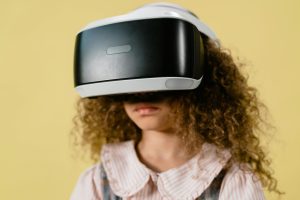
Technology has revolutionized the way we live, work, and learn. In the future, it will play an even greater role in education, helping to make learning more flexible, accessible, and engaging. Online learning platforms, virtual reality, and artificial intelligence are just some of the tools that will transform the way students learn. These technologies will enable students to learn at their own pace, collaborate with peers from around the world, and access a wealth of resources and information. By embracing technology, education can break down geographical barriers and provide students with endless opportunities for learning and growth.
In Conclusion
The future of education is undoubtedly centered around flexibility and student choice. As we move towards a more globally connected and technologically advanced society, the education system must adapt to keep up with the changing times. By providing students with the flexibility to choose their learning path and the resources to do so, we can prepare them for success in a rapidly evolving world. It is up to us as educators to embrace this shift and shape the future of education for the better.