The Future Of Montessori Methods In Public School Systems
The education system is constantly evolving and adapting to meet the changing needs of students and society. In recent years, there has been a growing interest in alternative teaching methods, with an emphasis on developing critical thinking skills and promoting individualized learning. One such method that has gained popularity is the Montessori method, which has been typically associated with private schools. However, in recent years, there has been a shift towards implementing Montessori methods in public school systems. In this article, we will explore the future of Montessori methods in public school systems and the impact it could have on education as a whole.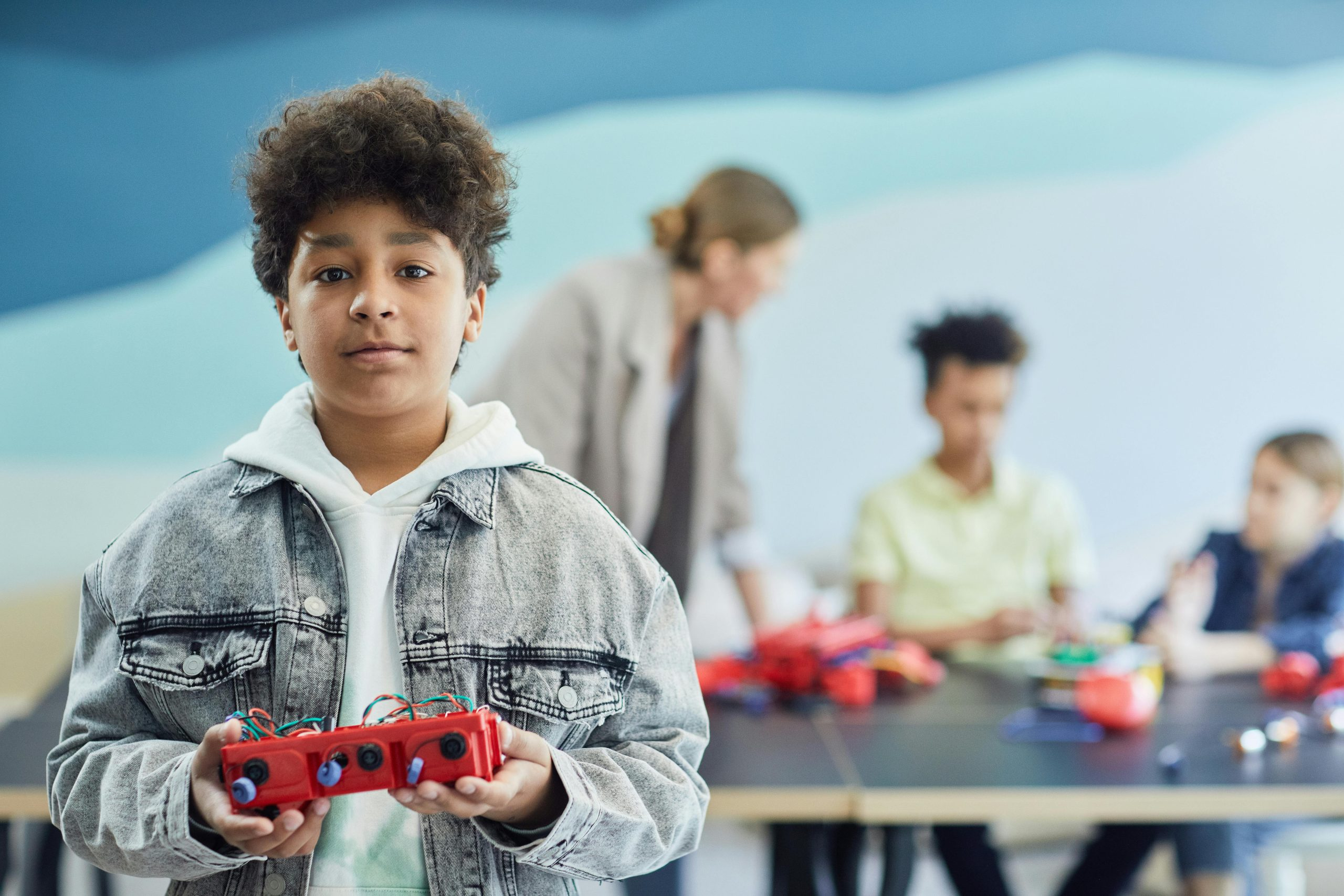
The Basics of Montessori Education
The Montessori method was developed by Italian physician and educator, Maria Montessori, in the late 19th and early 20th century. Montessori education is based on the principle that every child has an inherent desire to learn and is capable of directing their own learning. This approach emphasizes hands-on, self-directed learning, and individualized instruction. Montessori classrooms are designed to be child-centered and promote independence, creativity, and critical thinking.
The Benefits of Montessori Education
One of the main benefits of Montessori education is the focus on individualized learning. In a traditional classroom, the teacher delivers the same lesson to the entire class, while in a Montessori classroom, students are encouraged to work at their own pace and choose activities that interest them. This allows for a more personalized and meaningful learning experience for each student.
Furthermore, Montessori education promotes a hands-on approach to learning. Activities and materials are designed to engage the senses and encourage exploration and experimentation. This type of learning is highly beneficial for students who may struggle with traditional teaching methods or have learning differences.
In addition, Montessori education places a strong emphasis on social and emotional learning. Students are encouraged to work collaboratively and develop important social skills such as communication, cooperation, and conflict resolution. This type of learning environment promotes a sense of community and fosters positive relationships between students.
The Integration of Montessori Methods in Public Schools
Traditionally, Montessori education has been associated with private schools, making it inaccessible to many families. However, in recent years, there has been a shift towards implementing Montessori methods in public school systems. This has been driven by a growing interest in alternative education methods and the need for educational reform.
In 2009, the Montessori method was officially recognized as a viable teaching approach by the United States Department of Education, further solidifying its legitimacy in the education system. Since then, many public schools have started to integrate Montessori methods into their curriculum or have opened dedicated Montessori schools.
One of the main challenges in implementing Montessori methods in public schools is the need for trained teachers. Montessori teachers undergo specialized training to understand the philosophy and methodology of the approach. This level of training is not currently a requirement for public school teachers, making it difficult to fully integrate Montessori methods into traditional classrooms.
The Future of Montessori Methods in Public Schools
As the interest in Montessori education continues to grow, it is likely that we will see an increase in its integration in public schools. With the support of the Department of Education and a growing demand from parents and educators, we may see more public schools adopting the Montessori approach in the coming years.
Additionally, the use of technology in the classroom may aid in the integration of Montessori methods. With the development of educational apps and online learning platforms, teachers may have access to a wider range of resources to create a more individualized learning experience for their students.
In conclusion, the future of Montessori methods in public school systems looks promising. The focus on individualized, hands-on learning, and the development of important social and emotional skills aligns with the changing needs of our society. As more public schools embrace this alternative approach to education, we may see a shift towards a more personalized and effective way of learning for our future generations.