
Transforming Higher Education Through Virtual Reality Immersive Experiences
In recent years, virtual reality (VR) technology has taken the world by storm, revolutionizing industries such as gaming, healthcare, and entertainment. But perhaps one of its most promising applications is in higher education. As traditional methods of teaching and learning have become increasingly outdated, virtual reality immersive experiences offer a new and exciting way to engage students and transform their educational experience. Let’s explore the potential of VR in higher education and why it’s time for institutions to embrace this cutting-edge technology.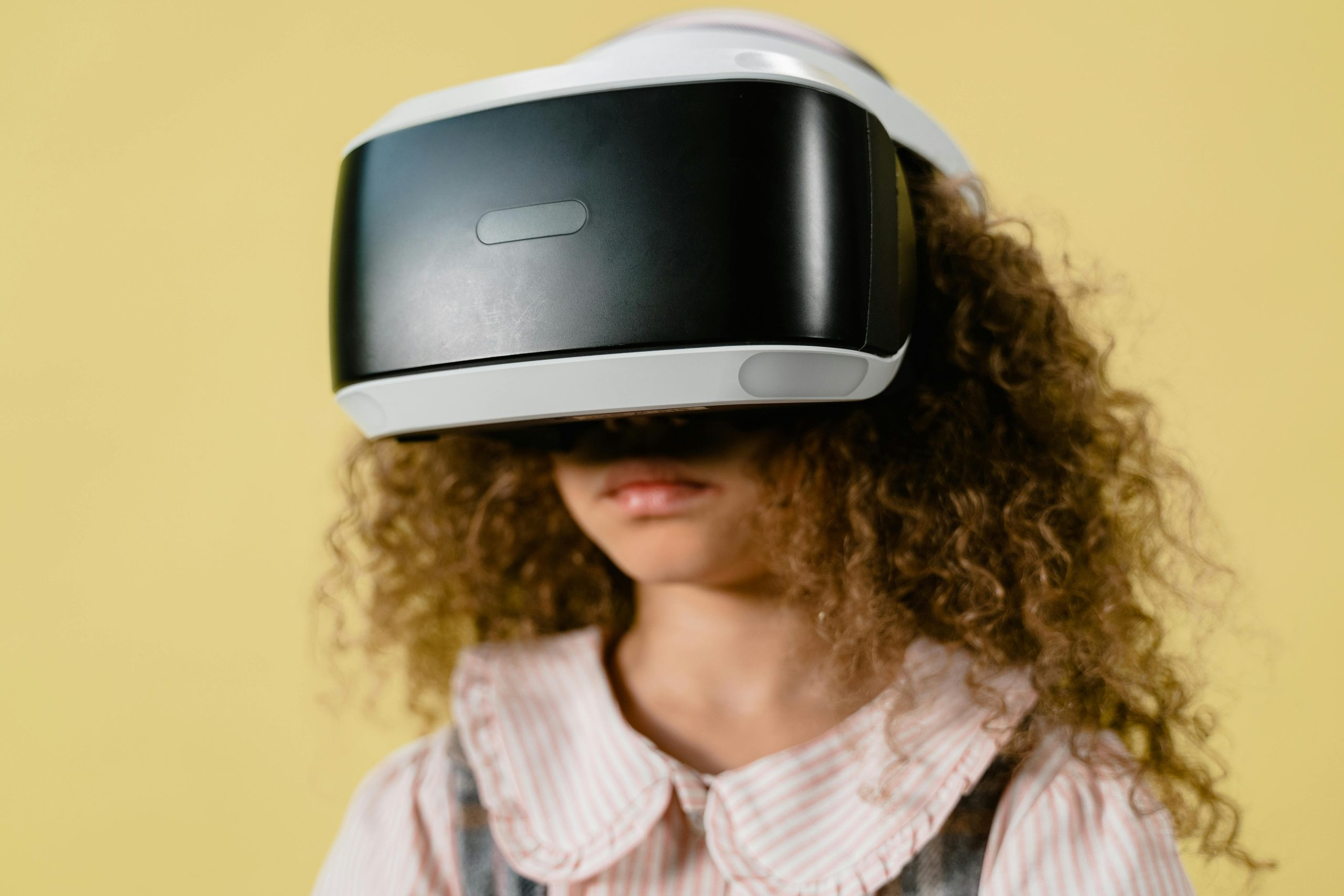
The Current State of Higher Education
Traditional higher education has long been criticized for its one-size-fits-all approach, with lectures, textbooks, and exams being the primary modes of learning. However, students today are digital natives, accustomed to interactive and immersive experiences in their daily lives. This has led to a disconnect between how students want to learn and how education is currently being delivered.
Moreover, with the widespread adoption of online learning, physical barriers to education have been eliminated, expanding access and reaching a global audience. However, online education often lacks the hands-on and practical experiences that are essential for many fields of study, leading to a skills gap between graduates and the job market.
The Promise of Virtual Reality Immersive Experiences
Virtual reality, or the use of computer technology to create a simulated environment, provides a unique solution to the limitations of traditional and online education. By immersing students in a virtual world, VR allows for interactive and hands-on experiences, bridging the gap between theory and practice. This not only makes learning more engaging and memorable but also better prepares students for their future careers.
For example, medical students can use VR simulations to practice surgeries without the risk of harming patients, architecture students can design and explore buildings in virtual spaces, and history students can visit historical sites without leaving the classroom. It’s a powerful tool that enhances learning and opens up endless possibilities for education.
Breaking Barriers to Education
Virtual reality also has the potential to address accessibility and inclusivity in higher education. Students with disabilities may face physical barriers in traditional classrooms, hindering their learning experience. VR removes these barriers, providing equal opportunities for all students to participate fully in the learning process.
Furthermore, VR offers students the chance to explore fields of study that may not be readily available to them due to cost, location, or resources. For example, students interested in marine biology can explore the depths of the ocean through VR, and those interested in space can experience simulations of space exploration. This opens up a world of possibilities and encourages students to pursue their passions.
Challenges and Future Outlook
While the potential of VR in higher education is vast, there are still some challenges that need to be addressed for widespread implementation. The cost of VR equipment and software can be a barrier for institutions and students, and training for educators to effectively use VR in their teaching also needs to be considered.
However, with the rapid advancement of technology and the growing market for VR, costs are expected to decrease in the near future. As for training, educators will need to adapt to new teaching methods, but the benefits of VR for student engagement and learning outcomes make it a worthwhile investment.
In conclusion, virtual reality immersive experiences have the potential to transform higher education and bridge the gap between traditional and modern methods of learning. By providing hands-on and interactive learning experiences, VR is revolutionizing education and preparing students for the digital world. With its endless possibilities, it’s time for higher education institutions to embrace this technology and unlock its full potential for the benefit of students and the future of education.