
Exploring The Vibrant World Of African Wax Print Fabrics
African wax print fabrics are a beautiful and vibrant representation of African culture and heritage. These bold and colorful fabrics have a long history and have played a significant role in African fashion for centuries. Today, they continue to be popular, not only in Africa but also around the world. In this article, we will explore the vibrant world of African wax print fabrics, from their origins to their current popularity and everything in between.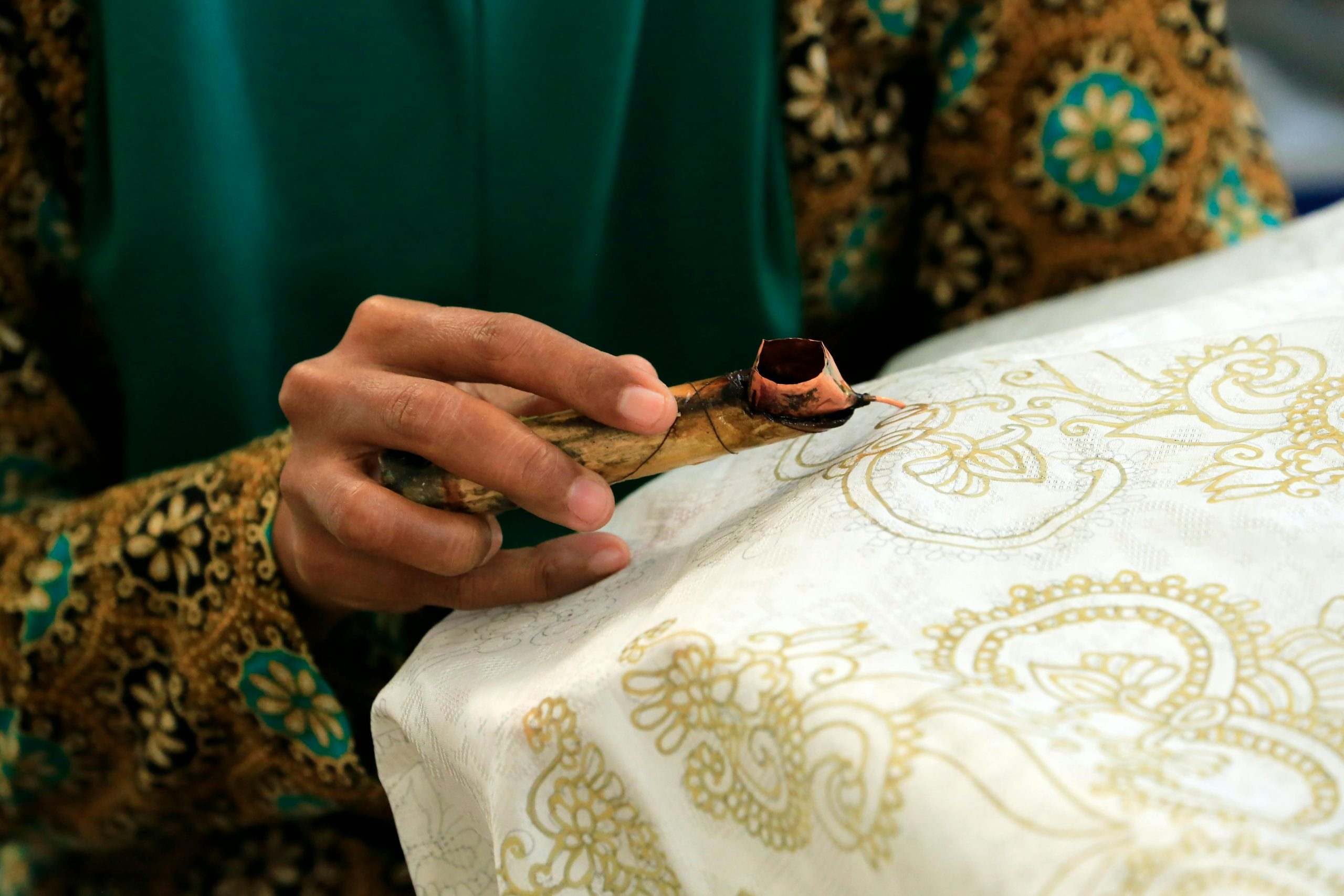
The Origins of African Wax Print Fabrics
African wax print fabrics, also known as Ankara or Dutch wax prints, have a rich history that dates back to the 19th century. These fabrics originated in Indonesia, where they were created using a wax-resistant dyeing technique called batik. The Dutch colonizers then introduced these fabrics to West Africa in the mid-1800s as a more affordable alternative to expensive European textiles. The African people quickly embraced these vibrant fabrics and began incorporating them into their traditional clothing and ceremonies.
Over time, the designs and patterns of African wax print fabrics evolved to incorporate both traditional motifs and European influences. Today, these fabrics are produced in various African countries, including Nigeria, Ghana, and Senegal, and are used not just for clothing but also for household items and decorations.
The Production Process of African Wax Prints
The production of African wax print fabrics is an intricate process that requires a high level of skill and precision. The fabrics are created using a technique called roller printing, where wax is applied to a fabric using engraved copper rollers. This wax acts as a resist to the dye, creating the distinct patterns and designs that are characteristic of African wax prints.
After the wax is applied, the fabric is then dyed with vibrant colors, resulting in the bold and eye-catching designs that these fabrics are known for. The fabric is then boiled to remove the wax, revealing the final pattern. The intense and laborious production process contributes to the uniqueness and value of African wax print fabrics.
The Significance of African Wax Print Fabrics
African wax print fabrics hold significant cultural and social value in African communities. They are often used to tell stories and convey messages through their intricate patterns and symbols. These fabrics are also associated with wealth, status, and identity, making them an essential part of African culture and heritage.
In recent years, African wax print fabrics have also gained popularity in the global fashion industry. Designers from around the world have incorporated these fabrics into their collections, creating a fusion of African and Western styles. This has not only brought more recognition and appreciation for these fabrics but has also provided economic opportunities for African textile producers.
Exploring the Versatility of African Wax Print Fabrics
One of the remarkable things about African wax print fabrics is their versatility. They can be used to create a wide range of garments, from traditional African attire such as the Boubou and Dashiki to modern designs like skirts, dresses, and even suits. These fabrics are also popular for home decor items such as pillow covers, curtains, and tablecloths, adding a touch of African culture and vibrancy to any space.
The Trending Use of African Wax Print Fabrics in Weddings
In recent years, African wax print fabrics have become increasingly popular for weddings and other special occasions. African couples, both on the continent and in the diaspora, are incorporating these fabrics into their wedding attire and decorations, making their big day a celebration of African culture and identity.
In addition to being used in traditional wedding attire, African wax print fabrics are also being incorporated into modern wedding dresses and suits, creating a fusion of the old and the new. These fabrics also make for unique and vibrant decorations, from table runners to floral arrangements, adding a touch of African flair to the celebrations.
In Conclusion
The vibrant world of African wax print fabrics is a testament to the rich and diverse culture of Africa. These fabrics not only hold significant cultural and social value but have also become a global fashion statement. From their origins in Indonesia to their current popularity, African wax prints continue to captivate and inspire people around the world. Whether used in traditional attire or modern fashion, these fabrics represent the vibrant, colorful, and dynamic nature of the African continent.