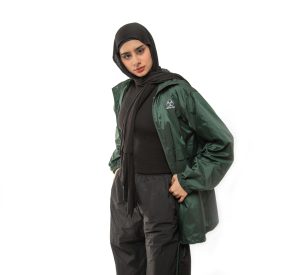
The Future Of Intelligent Wearables In The Fashion Industry
In recent years, the fashion industry has witnessed a rapid evolution in technology, as smart and innovative wearables become increasingly prevalent. From activity trackers to self-heating jackets, the integration of technology and fashion has redefined the way we interact with clothing. However, the transformation is far from over, as the rise of intelligent wearables takes center stage and becomes the next big thing in the industry. In this article, we will delve deeper into the future of intelligent wearables in the fashion industry, exploring their potential and impact on the way we dress, communicate, and live.
What are Intelligent Wearables?
Intelligent wearables, also known as smart wearables, are electronic devices that can be worn on the body, typically in the form of clothing or accessories. These devices are equipped with advanced sensors, processors, and connectivity features that enable them to collect, process, and transmit data. This data can be related to health and fitness, location, communication, or any other customizable feature. Put simply; they are the fusion of fashion and technology, designed to enhance our daily lives.
The Evolution of Intelligent Wearables
The idea of smart wearables may seem relatively new, but the concept has been around for decades. The first known example of a wearable computer was created in the 1960s by scientists at MIT, which consisted of a backpack-sized computer attached to a pair of spectacles. Since then, we have witnessed remarkable progress, and wearables have become more compact, affordable, and accessible. With the emergence of smartphones, smartwatches and fitness trackers have become commonplace, paving the way for the current generation of intelligent wearables.
The Future of Intelligent Wearables in the Fashion Industry
The global market for wearable technology is expected to reach $74 billion by 2025, and fashion is set to play a significant role in driving this growth. With an increasing number of tech companies collaborating with fashion houses, the line between technology and fashion is becoming increasingly blurred, resulting in an array of innovative, yet stylish, wearables hitting the market.
Impact on Personalization
One of the biggest impacts of intelligent wearables in the fashion industry is the ability to personalize clothing and accessories according to individual preferences. With the incorporation of sensors that collect data, wearables can analyze our preferences and behaviors, providing designers with valuable insights. This data can then be used to create personalized fashion pieces, catering to the unique needs of customers.
Revolutionizing Health and Fitness
The integration of technology and fashion is revolutionizing the way we approach health and fitness. Wearables such as fitness trackers and smart clothing can monitor various aspects of our health, including heart rate, steps taken, and sleep patterns. With real-time data and personalized feedback, wearables are making it easier for individuals to track and improve their fitness levels, ultimately leading to a healthier lifestyle.
Enhanced Communication and Interaction
Intelligent wearables are not just limited to tracking health and fitness; they can also enhance communication and interaction. With features such as built-in microphones, speakers, and touchscreens, wearables can enable seamless communication and access to information on-the-go. This not only improves convenience but also adds a stylish element to the way we interact with our devices.
The Challenges Ahead
Despite the potential and promise of intelligent wearables, there are some challenges that the industry must overcome. One major concern is the issue of data privacy and security. With wearables collecting and transmitting personal data, there is a need for stringent data protection laws and regulations to ensure the safety and privacy of consumers. Another challenge is the lack of standardization, with different brands using different software and hardware, making interoperability difficult.
The Bottom Line
The future of intelligent wearables in the fashion industry is bright and promising. With advancements in technology, we can expect to see even more innovative and efficient wearables hitting the market, improving our lives and style. However, it is essential to address the challenges and concerns surrounding wearables to ensure that they are not just a passing fad but an integral part of our future.
In conclusion, as technology and fashion continue to merge, intelligent wearables are set to transform the way we dress, communicate, and live. The possibilities are endless, and with consumers becoming more conscious about their health and lifestyle, the demand for intelligent wearables is only going to increase in the future.