How To Choose The Right Microphone For Your Voice
When it comes to recording your voice, having the right microphone can make all the difference. With so many options available on the market, it can be overwhelming to know which one is best for you. This is especially true if you are new to recording and don’t have much experience with microphones. Fortunately, by understanding your needs and knowing what to look for, you can choose the right microphone for your voice and take your recordings to the next level.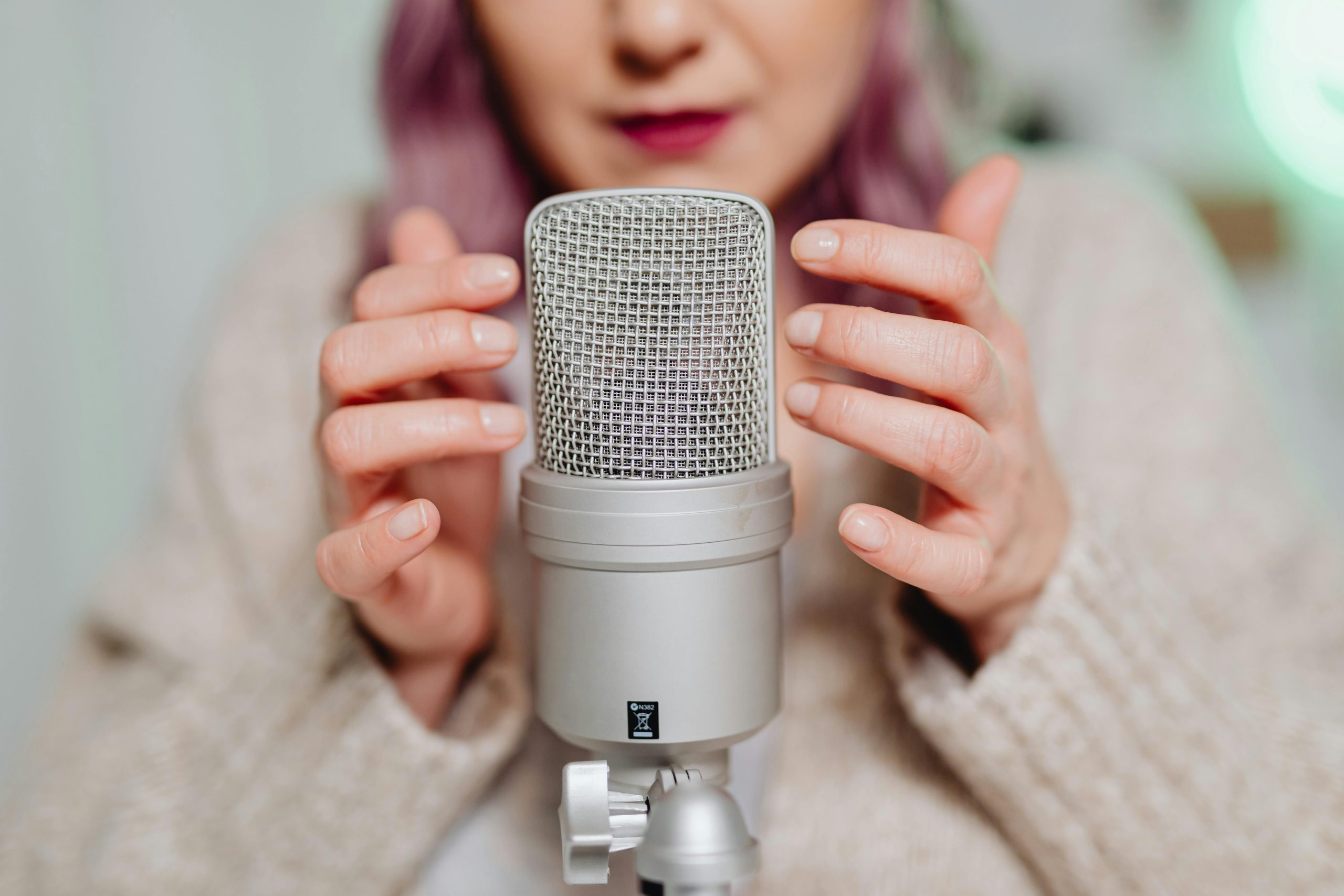
What Do You Need the Microphone For?
The first step in choosing the right microphone for your voice is to determine what you will be using it for. Are you a singer looking to record your vocals? Do you need a microphone for podcasting or live streaming? Or are you a content creator seeking a microphone for your YouTube videos? Each of these scenarios may require a different type of microphone, so it’s important to know your specific needs before making a purchase.
Type of Microphones
There are three main types of microphones: dynamic, condenser, and ribbon. Dynamic microphones are the most versatile and can handle loud volumes, making them a popular choice for live performances. Condenser microphones are more sensitive, making them ideal for recording delicate vocals or capturing subtle details in acoustic instruments. Ribbon microphones are known for their warm and smooth sound, making them a popular choice for recording vocals and instruments in a studio setting.
Polar Patterns
Polar patterns refer to the direction in which a microphone captures sound. There are three main polar patterns: cardioid, omnidirectional, and figure-eight. Cardioid microphones pick up sound in a heart-shaped pattern, making them ideal for recording one person or instrument. Omnidirectional microphones capture sound from all directions, making them a good choice for recording a group or picking up ambient sound. Figure-eight microphones capture sound from the front and back, making them ideal for two people recording a podcast or interview.
Frequency Response
The frequency response of a microphone refers to the range of frequencies it can pick up. It’s important to choose a microphone with a frequency response that aligns with your voice. For instance, if you have a deep voice, you’ll want a microphone with a lower frequency response. On the other hand, if you have a higher-pitched voice, you’ll want a microphone with a higher frequency response.
Consider the Environment
The environment in which you will be recording also plays a significant role in choosing the right microphone. If you will be recording in a noisy environment, a dynamic microphone may be the best choice. Condenser microphones are more sensitive and may pick up unwanted background noise. On the other hand, if you will be recording in a controlled studio setting, a condenser microphone may be the better option as it can capture more detail and nuances in your voice.
Test Before You Buy
When choosing a microphone, it’s essential to test it out before making a purchase. Many music stores and recording studios will allow you to try out different microphones to see which one best suits your voice and needs. This is especially important if you are considering a higher-end microphone, as they can be a significant investment.
Find the Right Balance
It’s important to find the right balance when it comes to choosing a microphone. While it may be tempting to choose the most expensive and top-of-the-line microphone, it may not necessarily be the best fit for your voice and recording needs. On the other hand, a budget microphone may not provide the quality and clarity you are looking for in your recordings. Do your research, read reviews, and try out different options to find the right balance between cost and quality.
In Conclusion
Choosing the right microphone for your voice is crucial in producing high-quality recordings. By understanding your needs, knowing the different types of microphones, and considering factors such as polar patterns and frequency response, you can make an informed decision on which microphone is best for you. Remember to test before you buy and find the right balance between cost and quality. With the right microphone, you can take your recordings to the next level and showcase your unique voice in the best possible way.