
How To Use Field Recordings In Electronic Music Production
Electronic music production has come a long way since its inception. What once required complex and expensive equipment can now be done with just a laptop and a few software programs. While this has made it easier for aspiring producers to create music, it has also led to a saturation of generic sounds and a lack of creativity. That’s where the use of field recordings comes in. Field recordings are real-life sounds captured with a microphone and can add a unique and organic element to electronic music production. In this article, we will explore the various ways you can incorporate field recordings into your electronic music productions and take your music to the next level.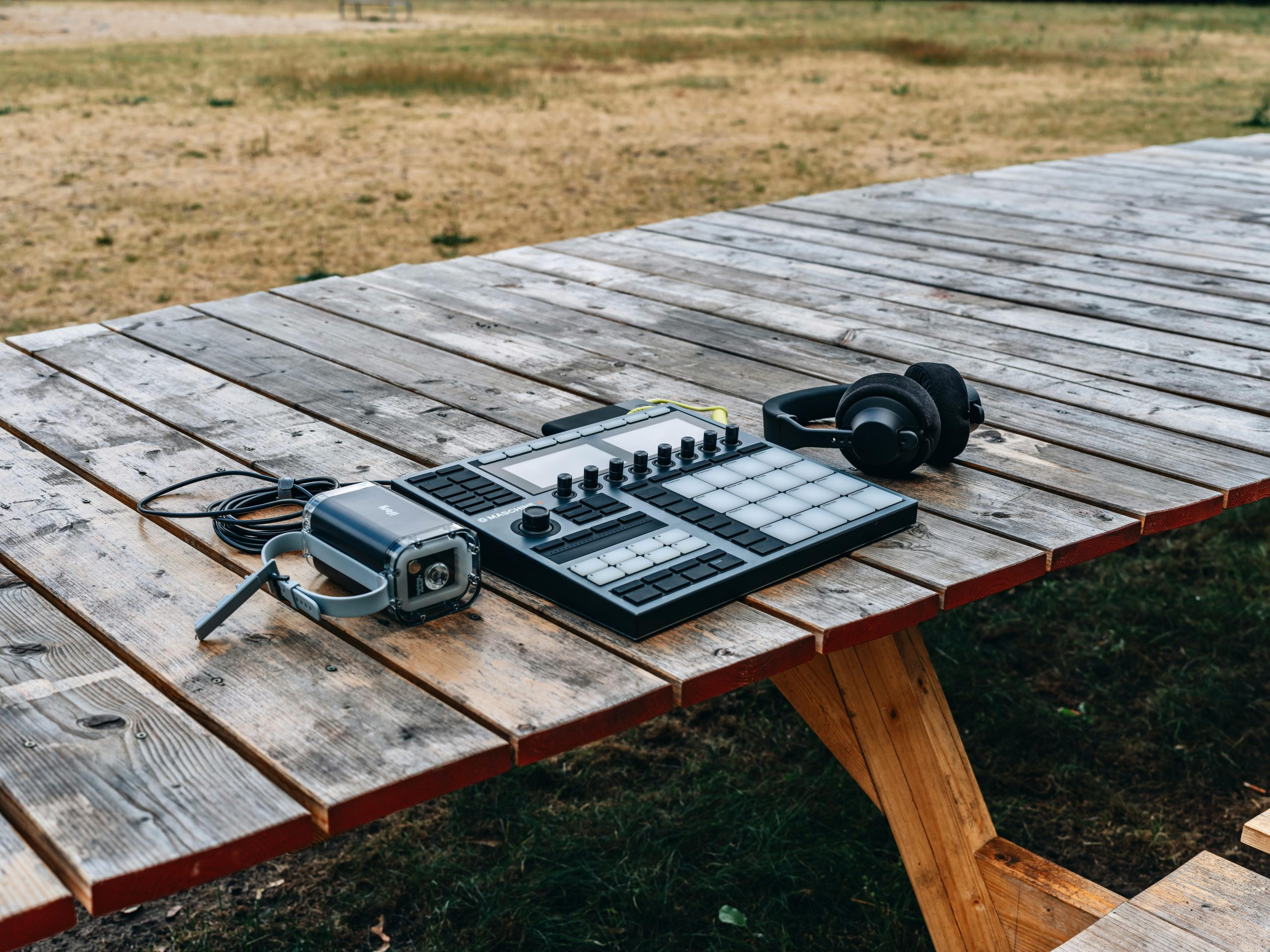
What are Field Recordings?
Field recordings are recordings of sounds from the environment. They can include anything from the sound of birds chirping, the rustling of leaves, or the hustle and bustle of a busy city. These sounds are typically captured with a microphone and then used in music productions to add texture and depth to the music.
Why Use Field Recordings?
In today’s digital age, electronic music can sound overly polished and synthetic. Using field recordings in your productions can add a human touch and make your music sound more organic. Field recordings can also add a sense of place and atmosphere to your tracks, making them more immersive and engaging for the listener.
How to Capture Field Recordings
The first step in using field recordings in electronic music production is capturing them. You don’t need expensive equipment to record field recordings; a simple microphone and a recording device will suffice. You can use a handheld recorder, a smartphone, or even your laptop’s built-in microphone.
Once you have your equipment ready, head out into the world and start recording. The possibilities are endless; you can capture sounds from your backyard, a busy street, or even a park. Be creative and keep an open mind; you never know what sounds might spark inspiration for your next track.
Processing and Manipulating Field Recordings
Once you have your field recordings, it’s time to process and manipulate them for use in your music production. You can use various software programs such as Audacity, Ableton Live, or FL Studio to edit and manipulate your recordings.
There are endless possibilities when it comes to processing and manipulating field recordings. You can chop them up, reverse them, add effects, or layer them with other sounds. The key is to experiment and find what works best for your music.
Using Field Recordings in Your Productions
Now that you have your processed field recordings, it’s time to use them in your electronic music productions. The most common way to incorporate field recordings is by using them as atmospheric elements in your tracks. They can add depth and character to your music, making it stand out from the rest.
You can also use field recordings as percussion elements by layering them with drum sounds or sampling them and creating rhythmic patterns. Another creative way to use field recordings is by turning them into melodic elements. With the help of pitch-shifting and time-stretching, you can create unique and interesting melodies from a simple recording of water droplets or breaking glass.
In Conclusion
Field recordings are a powerful tool in electronic music production. They can add a human touch, atmosphere, and creativity to your music. So next time you’re struggling to come up with new and original sounds, head out and capture some field recordings; you’ll be surprised by the results. Remember to experiment and have fun, and your tracks will stand out from the crowd.