
The Benefits Of Learning To Read Sheet Music Early
Music is a universal language that has the ability to bring people together and evoke powerful emotions. It is a form of self-expression, communication, and creativity. Learning to read sheet music is a crucial skill for any musician, but did you know that starting at an early age can have numerous benefits? In this article, we’ll delve into the advantages of learning to read sheet music early and why it should be a priority in a child’s musical education.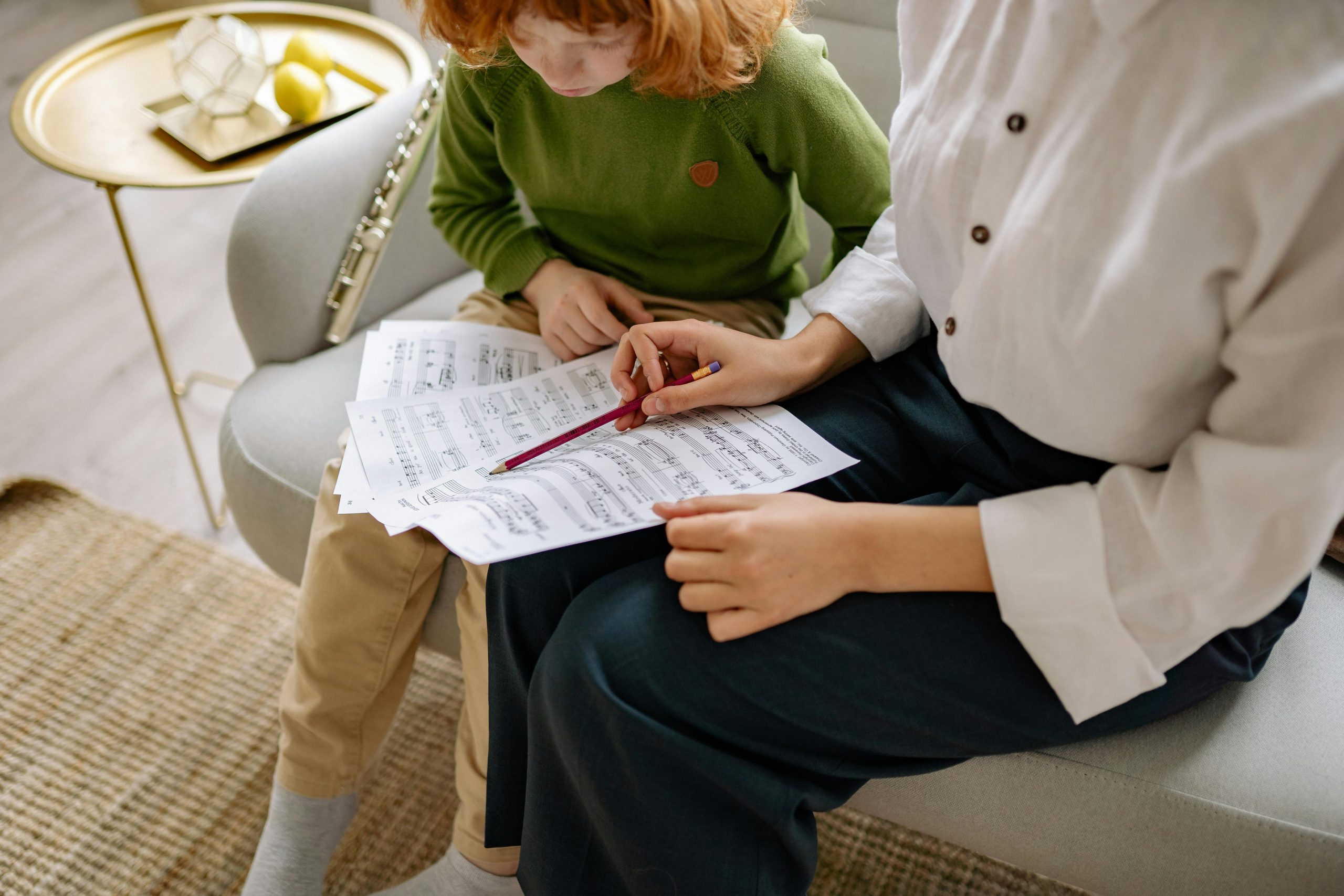
The Power of Reading Sheet Music
Before we dive into the benefits, let’s first understand why reading sheet music is essential. Sheet music is a written notation of musical notes, rhythms, and symbols that represent a piece of music. It allows musicians to communicate and perform the music as the composer intended. Reading sheet music also improves musical literacy, which means understanding the properties of music such as scales, chords, and tempo. This knowledge is essential for any musician, regardless of their instrument or genre of music.
Improved Brain Function
Learning to read sheet music involves several cognitive processes, including pattern recognition and memory recall. Studies have shown that early exposure to sheet music can significantly improve brain function in areas such as language processing, spatial-temporal skills, and problem-solving abilities. This is because reading sheet music requires both sides of the brain to work together, stimulating the growth of neural connections and enhancing overall brain function.
Enhanced Coordination and Motor Skills
Playing a musical instrument involves precise movements, coordination of hands, fingers, and feet. By learning to read sheet music at an early age, children can develop and refine these fine motor skills, leading to improved dexterity and hand-eye coordination. This not only benefits their musical abilities but also translates to improved motor skills in other activities, such as sports and handwriting.
Increased Discipline and Focus
Learning to read sheet music is a process that requires patience, consistent practice, and concentration. It teaches children the value of hard work and discipline. As they progress in their musical journey, they will see the direct result of their efforts, boosting their self-esteem and motivation. Additionally, reading sheet music requires focus to maintain the correct tempo and rhythm, aiding in the development of sustained attention skills.
Improved Academic Performance
Learning to read sheet music has been linked to improved academic performance, particularly in mathematics and language skills. This is because sheet music notation utilizes numbers, symbols, and mathematical rules, making connections between music and other academic subjects. Furthermore, reading sheet music involves language processing, decoding, and comprehension – skills that are also crucial in reading and writing.
Nurturing Creativity and Musical Expression
Music is a form of self-expression, and learning to read sheet music provides a structured way for children to express their creativity. As they progress in their musical journey, they will learn how to interpret the music and make it their own. This fosters independence, critical thinking, and creativity, which are essential skills for personal and artistic growth.
Building a Strong Foundation for Musical Education
A strong foundation is crucial for any learning, and the same goes for music. By learning to read sheet music early, children are equipped with the necessary skills and knowledge to excel in their musical education. They will grasp new concepts faster and will have a better understanding of music theory, which will benefit them in all areas of their musical development.
Conclusion
Learning to read sheet music early is undoubtedly advantageous for children’s overall development. It improves brain function, motor skills, discipline, academic performance, and nurtures their creativity and musical expression. It’s never too early to start; children as young as three years old can begin to learn the basics of sheet music. So, if you’re a parent or educator, don’t hesitate to introduce your children to the world of sheet music and set them on a path to musical excellence.