
The Influence Of Latin Rhythms On Global Pop Music
From the infectious beats of “Despacito” to the smooth melodies of “Havana,” the rise of Latin-inspired pop music has been impossible to ignore in recent years. Popular artists like Shakira, J Balvin, and Bad Bunny have taken the world by storm with their signature rhythms and colorful sounds, ushering in a new wave of global pop music. But what is it about these Latin rhythms that have captured the hearts of listeners around the world? In this article, we will explore the deep-rooted influence of Latin rhythms on the ever-evolving landscape of global pop music.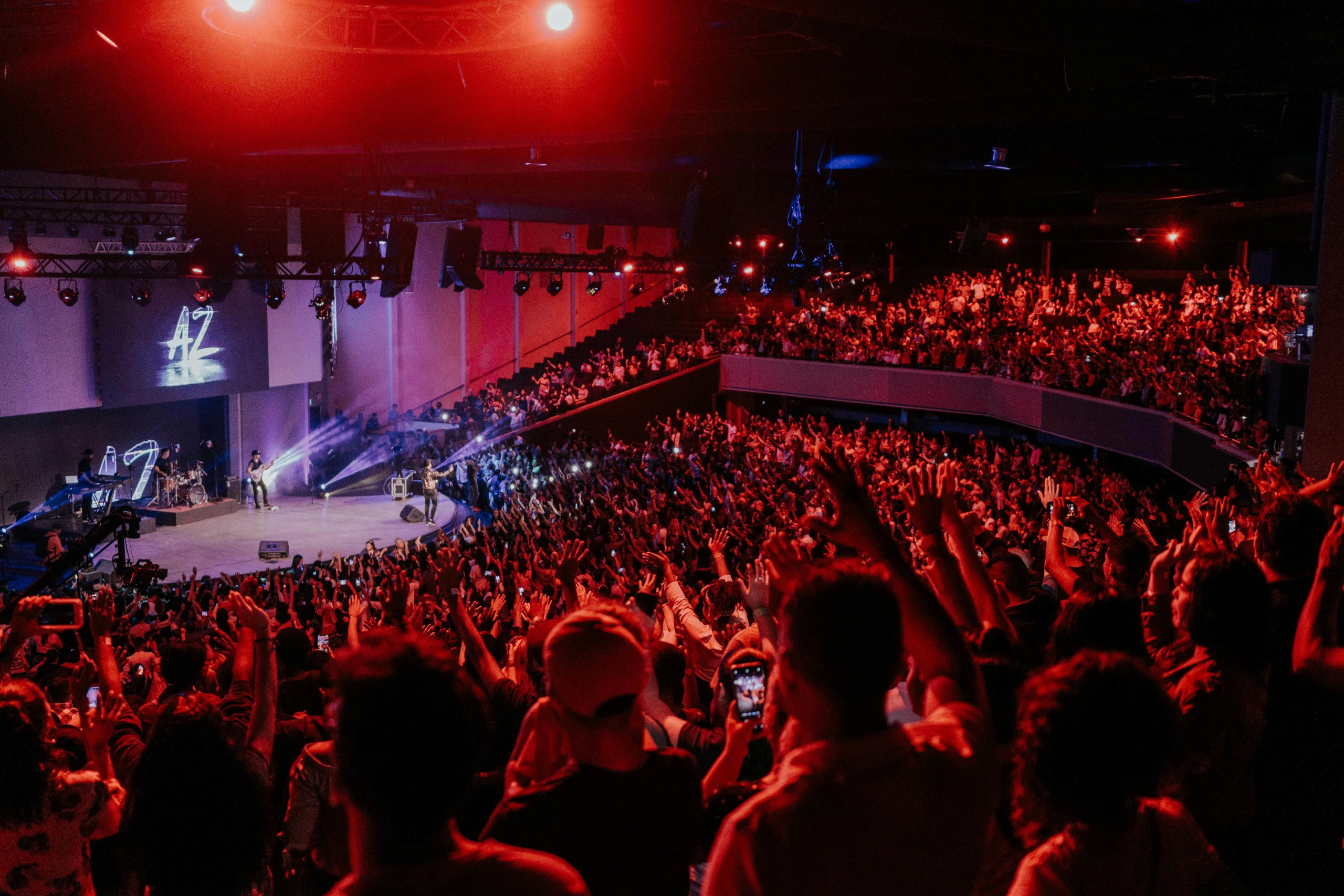
The Evolution Of Latin Rhythms
The roots of Latin rhythms can be traced back to the early days of colonialism in Latin America, when Spanish and African cultures collided and gave birth to a rich musical blend. Over the years, this unique blend evolved and took on various forms, from the Cuban Mambo to the Brazilian Samba. But it wasn’t until the 1990s that Latin music truly made its mark on the global stage with the emergence of the “Latin explosion” – a period marked by the crossover success of artists like Ricky Martin, Enrique Iglesias, and Jennifer Lopez.
The Global Pop Music Scene
Fast forward to the present day, and Latin rhythms have become a staple in mainstream pop music. While Latin artists continue to dominate the charts in Spanish-speaking countries, their influence has spread far beyond their borders. Collaborations between Latin artists and their English-speaking counterparts have become increasingly common, creating a fusion of sounds that appeal to a diverse audience. This can be seen in songs like “I Like It” by Cardi B featuring Bad Bunny and J Balvin, and “Loco Contigo” by DJ Snake featuring Tyga, J Balvin, and Ozuna.
Latin Rhythms In Global Hits
From Shakira’s signature “Hips Don’t Lie” to Luis Fonsi’s record-breaking “Despacito,” Latin-inspired hits have dominated the airwaves for years. These songs not only have catchy rhythms that get listeners on their feet, but they also incorporate elements of traditional Latin music like salsa, merengue, and reggaeton. This blend of modern and traditional styles creates a unique and irresistible sound that appeals to a wide audience.
The Role Of Social Media
In today’s digital age, social media has played a significant role in the popularity of Latin rhythms in global pop music. With the rise of platforms like YouTube and TikTok, songs like “Despacito” and “Havana” quickly went viral, reaching listeners all around the world and introducing them to this vibrant genre. Social media has also allowed for easier collaboration between artists from different countries, bridging the gap between cultures and promoting diversity in the music industry.
The Future Of Latin Rhythms In Pop Music
As the world becomes more connected, so does the music industry. Latin rhythms continue to influence and shape global pop music, and their impact shows no signs of slowing down. With the rise of new and emerging Latin artists, as well as the increasing popularity of collaborations, we can expect to see even more fusion and experimentation in the years to come.
The Power Of Latin Rhythms To Unite Us
One of the most remarkable aspects of the influence of Latin rhythms on global pop music is its ability to unite people from different backgrounds and cultures. Despite language barriers, these songs have managed to break through and create a sense of community among listeners worldwide. In a time when the world can feel divided, music has once again proven its power to bring us together.
To Sum It Up
The influence of Latin rhythms on global pop music is undeniable. From its humble beginnings in Latin America to its current status as a global phenomenon, this genre has come a long way. As it continues to evolve, we can look forward to more collaborations, experimentation, and cultural exchange in the world of music. So next time you find yourself dancing to the infectious beat of a Latin-inspired hit, remember the deep-rooted influence that has brought us this vibrant and diverse genre.