Why Jazz Clubs Remain Vital For Local Musical Communities
Jazz music has been a staple in communities around the world for decades, and it continues to thrive in a variety of settings. But there’s something special about the intimate atmosphere of a jazz club that cannot be replicated anywhere else. From the dimly lit room to the rhythmic tapping of feet, jazz clubs offer an experience that is essential to the local musical community. In this article, we’ll explore why jazz clubs remain vital for local musical communities and why they hold such a special place in our hearts.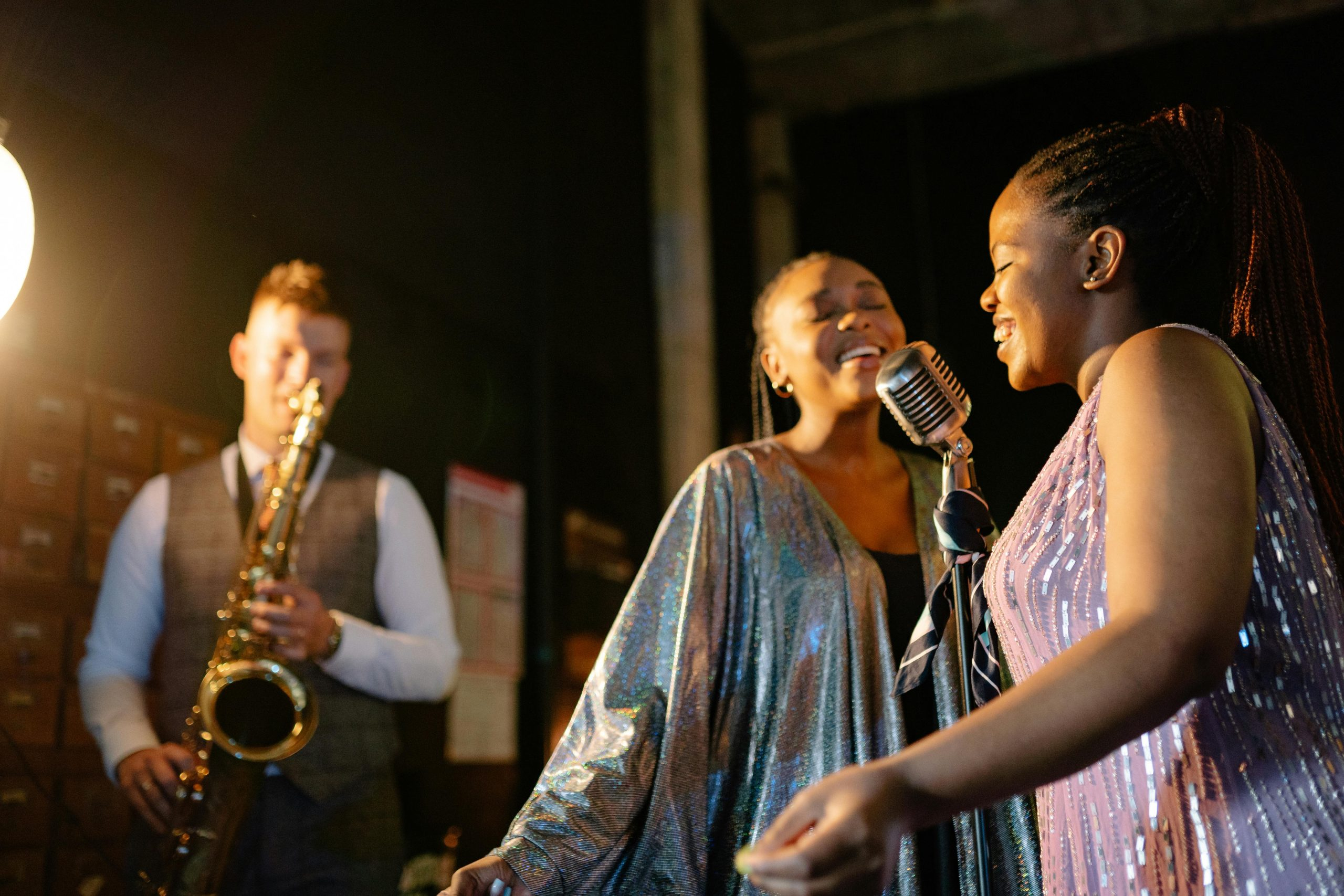
The Evolution of Jazz Clubs
The roots of jazz can be traced back to the early 20th century in New Orleans, and it quickly spread to other cities like Chicago and New York. Back then, jazz was mostly played in bars and pubs, but as its popularity grew, specific clubs dedicated to the genre started to emerge.
These jazz clubs were not only places for musicians to showcase their talents, but also a safe haven for individuals who were discriminated against in other establishments. African American artists like Duke Ellington and Billie Holiday found a platform in these clubs, where they could freely express themselves without fear of judgement.
As the decades passed, jazz clubs became more than just a place to listen to music. They became a hub for the local music community and a place for individuals to connect and form long-lasting friendships.
The Intimate Experience
One of the main reasons why jazz clubs remain essential to the local music scene is the intimate experience they offer. Unlike larger concert venues, jazz clubs have a small and cozy setting, which allows for a more personal connection between the musicians and the audience.
In a jazz club, you can witness the musician’s every move, see the sweat on their brow, and feel the passion in their performance. It’s an immersive experience that cannot be replicated in a larger setting. This intimate setting also allows for continuous improvisation, creating a unique experience for every performance.
A Platform for Emerging Talents
Jazz clubs also play a crucial role in supporting and nurturing emerging talents. Many musicians get their start in these clubs, performing in front of small crowds and perfecting their craft.
Unlike larger venues, jazz clubs offer a more forgiving environment for musicians to experiment and take risks with their music. This allows them to evolve and grow as artists, garnering a loyal local fan base before expanding to a larger audience.
Preserving Jazz Culture
Moreover, jazz clubs play a significant role in preserving and promoting the rich history of jazz music. Many clubs feature themed nights or special performances dedicated to iconic musicians like Miles Davis or John Coltrane.
These clubs also host jam sessions, where musicians of all skill levels can come together and share their passion for jazz music. This not only creates a sense of community but also passes on the tradition and artistry of jazz to the next generation.
Final Thoughts
In conclusion, jazz clubs remain vital for local musical communities for various reasons, from their historical significance to their impact on emerging talents and their intimate setting. They play a crucial role in preserving jazz culture and providing a platform for musicians to hone their craft.
So, the next time you step into a jazz club, take a moment to appreciate all that it represents and the sense of community it fosters. Because without these intimate and vibrant spaces, our local musical communities would not be the same.