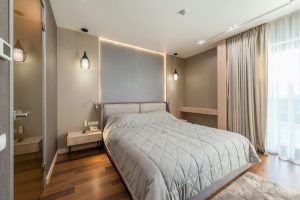
The Rise Of Wellness Focused Residential Design And Amenities
The real estate industry has undergone a major transformation in recent years, with a growing focus on health and wellness in the design and amenities of residential properties. This trend has been driven by the shifting priorities and preferences of homebuyers, as well as the increasing awareness about the importance of holistic well-being in our daily lives. As a result, the rise of wellness-focused residential design and amenities has become a key factor in the real estate market. In this article, we will explore this trend and its implications for both homeowners and developers.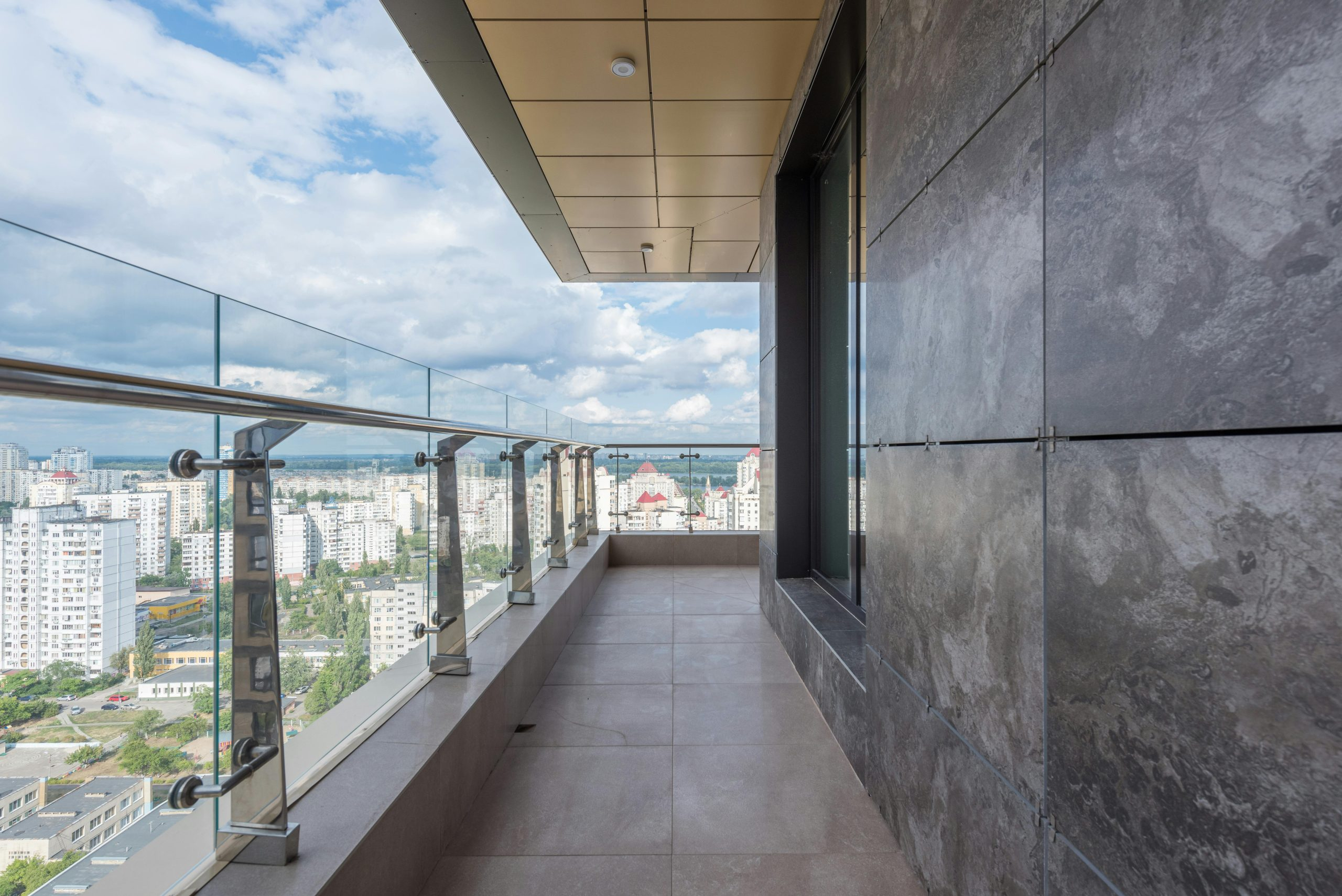
The Importance of Wellness in Residential Design
In the past, the design of residential properties has primarily focused on aesthetics, functionality, and marketability. However, with the rise of stress and lifestyle-related health issues, there has been a growing demand for homes that promote physical, mental, and emotional well-being. This has led to a shift towards designing residential spaces that cater to the whole person, rather than just their basic needs.
Wellness-focused residential design incorporates features and elements that improve the quality of life and support a healthy lifestyle. These can include things like natural light, indoor air quality, green spaces, and access to recreational facilities. By promoting a healthier living environment, these features not only benefit residents but also contribute to the overall value of the property.
The Influence of technology
The rise of wellness-focused residential design has also been influenced by technology. With the advancement of smart home technology, homeowners now have the ability to control various aspects of their homes, such as lighting, temperature, and security, from their smartphones. This has made it easier to incorporate wellness-focused features into residential spaces, such as air purifiers, sound systems, and lighting that mimic natural sunlight.
Furthermore, technology has also made it possible to track and monitor health and fitness goals at home. With the rise of wearable devices, homeowners can now keep tabs on their physical activity levels, sleep patterns, and other health metrics. This information can then be used to make informed design decisions that support residents’ overall well-being.
The Evolution of Amenities
Along with residential design, the amenities offered by developers have also evolved to meet the demands of wellness-focused homebuyers. In addition to the standard gym and pool facilities, developers are now offering features such as meditation rooms, yoga studios, and indoor/outdoor fitness spaces.
The focus on mind and body wellness has also extended to communal areas, with the inclusion of green spaces and outdoor recreational activities. These amenities not only promote physical activity but also provide opportunities for residents to connect with nature and recharge from the stresses of daily life.
The Impact on Homebuyers
The rise of wellness-focused residential design and amenities has had a significant impact on homebuyer preferences. With more people prioritizing health and wellness, homes that offer these features are in high demand. Homebuyers are willing to invest in properties that support their physical and mental well-being, recognizing the long-term benefits it offers.
This trend has also led to a rise in sustainable and environmentally-friendly residential design. As people become more conscious of their impact on the environment, they are seeking homes that are not only good for them but also for the planet. This has led to the incorporation of eco-friendly materials and energy-efficient features into wellness-focused residential properties.
The Future of Wellness-Focused Residential Design and Amenities
The trend of wellness-focused residential design and amenities is expected to continue growing in the coming years. As more people become aware of the impact of our surroundings on our well-being, the demand for these types of properties will only increase. Developers are already incorporating innovative and cutting-edge technologies to create smart, sustainable, and wellness-focused homes.
Moreover, with the COVID-19 pandemic highlighting the importance of health and wellness, residential properties that prioritize these aspects have become even more valuable. As the world adapts to a new normal, the desire for homes that provide a safe and healthy living environment will continue to grow.
In Conclusion
The rise of wellness-focused residential design and amenities is a positive shift in the real estate industry, as it puts people at the center of home design. With a focus on creating spaces that support overall well-being, homeowners can now experience a more holistic and fulfilling lifestyle. This trend is set to continue, and we can expect to see even more innovative and well-designed residential properties that cater to our physical, mental, and emotional health.